
How to Find Housing in Korea Part 1: Room Types
한국에서 집 구하기 1편, 방 종류와 구하는 경로
In Korea, the room you pick in a day shapes your next year.
Learn the budget lines behind each room type and the Korean used at the agency.
한국에서 집 구하기는 그날의 선택 하나가 앞으로 1년의 생활을 좌우합니다.
이 글에서 방 종류를 가르는 예산 기준과 부동산에서 오가는 한국어를 익힙니다.
All learning services for the teaching materials published on this blog are free for blog subscribers on the Hunmin Institute website ↗.
이 글에서 배우는 핵심 회화
Key Expressions in This Lesson
방을 구할 때 오가는 말은 정해져 있습니다. 아래 여덟 문장은 좌우가 한 쌍의 대화가 아니라 각각 따로 익히는 문장입니다. 먼저 눈에 담고 본문으로 들어가십시오.
Only a set number of lines go back and forth when you look for a room. The two columns below are not paired dialogue; each sentence is learned on its own. Take them in first, then move into the main text.
| 듣는 말 Listening |
하는 말 Speaking |
|---|---|
| 보증금은 얼마 생각하세요? [bojeunggeumeun eolma saenggakaseyo] How much deposit do you have in mind? |
보증금 올리면 월세 얼마까지 돼요? [bojeunggeum ollimyeon wolse eolmakkaji dwaeyo] If I raise the deposit, how low can the rent go? |
| 관리비는 별도예요. [gwallibineun byeoldoyeyo] The maintenance fee is separate. |
관리비 포함인가요? [gwallibi pohamingayo] Is the maintenance fee included? |
| 이번 학기 기숙사는 마감됐어요. [ibeon hakgi gisuksaneun magamdwaesseoyo] Dorm applications are closed this semester. |
기숙사 신청 지금도 돼요? [gisuksa sincheong jigeumdo dwaeyo] Can I still apply for the dorm? |
| 오늘 결정하셔야 잡아 드려요. [oneul gyeoljeonghasyeoya jaba deuryeoyo] I can only hold it if you decide today. |
좀 더 보고 연락드릴게요. [jom deo bogo yeollakdeurilgeyo] I will look around a bit more and call you. |
첫째 줄은 소단락 2에서, 둘째 줄은 소단락 3에서, 셋째 줄은 소단락 4에서, 넷째 줄은 소단락 6에서 다루고, 예산을 말하는 말은 소단락 1에서, 방을 나눌 때 쓰는 말은 소단락 5에서 다룹니다.
The first row is covered in Section 2, the second in Section 3, the third in Section 4 and the fourth in Section 6, while the lines for naming a budget come in Section 1 and those for sharing a place in Section 5.
1. 방보다 먼저 정할 것은 예산입니다
Settle the Budget Before the Room
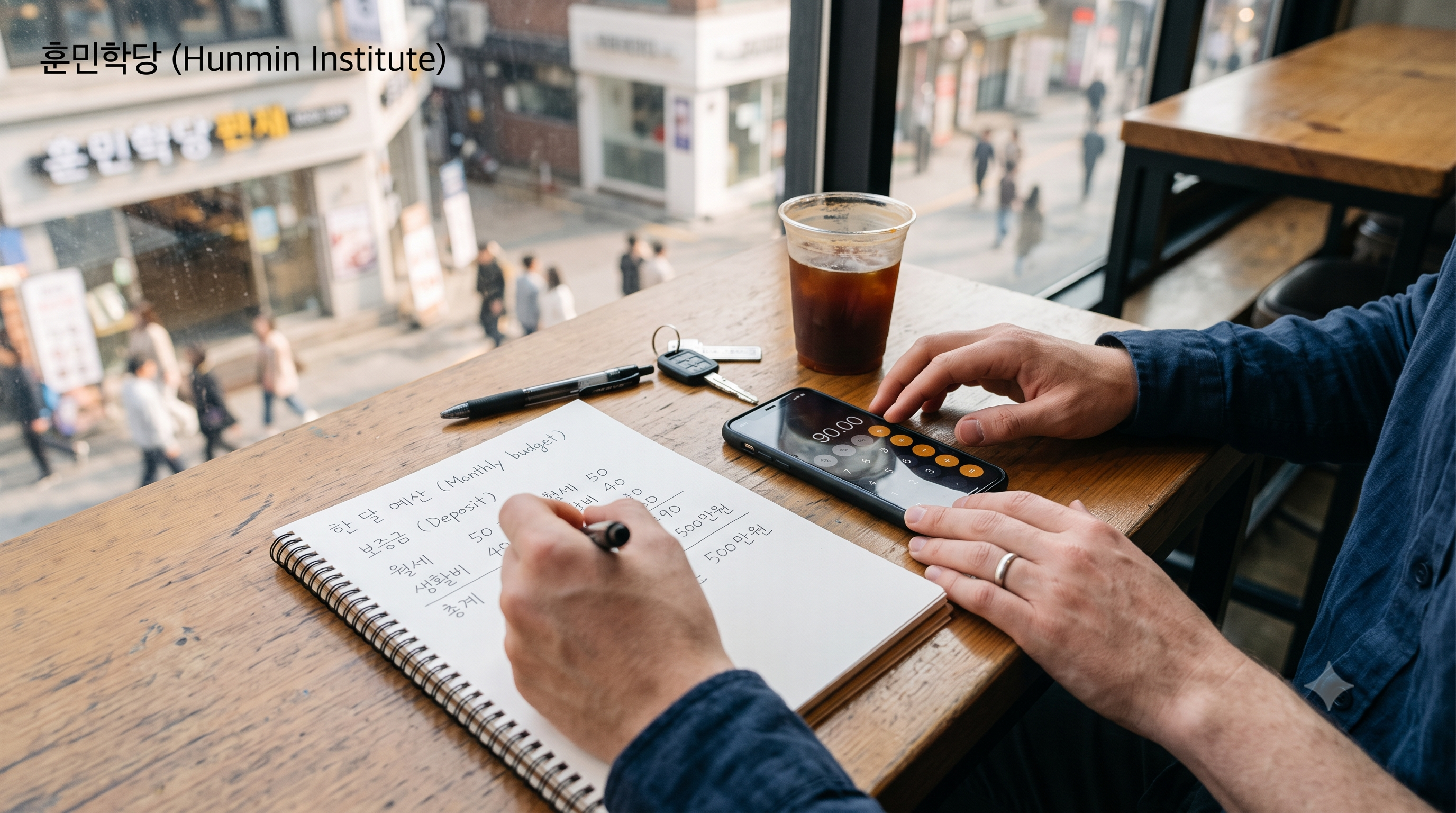
한국에 도착한 외국인이 가장 먼저 검색하는 말은 대개 방 종류입니다. 그런데 순서가 반대입니다. 어떤 방을 원하는지가 아니라 한 달에 얼마를 쓸 수 있는지, 목돈으로 한 번에 넣을 수 있는 돈이 얼마인지가 정해지면 방 종류는 거의 자동으로 결정됩니다.
Most foreigners arriving in Korea search for room types first. The order is backwards. Once you fix how much you can spend each month and how much cash you can put down at once, the room type is decided almost on its own.
예산과 함께 확인할 것이 하나 더 있습니다. 그 방이 주소를 등록할 수 있는 곳인지입니다. 외국인등록을 마친 사람은 체류지 변경 신고를 하게 되는데, 어느 쪽이든 주소를 올릴 수 없는 방이 있습니다. 절차는 2편에서 다룹니다.
One more thing goes with the budget: whether you can register the address there. Once you hold a registration card you file a change of residence report, and either way some rooms will not let you register at all. Part 2 covers the procedure.
여기서 쓰는 표현부터 배워봅시다. 부동산이든 학교 사무실이든 첫 질문은 예산입니다.
Start with the expressions you will use here. At an agency or a school office, the first question is your budget.
| 듣는 말 Listening |
하는 말 Speaking |
|---|---|
| 예산이 어떻게 되세요? [yesani eotteoke doeseyo] What is your budget? |
한 달에 오십만 원 정도 생각하고 있어요. [han dare osipman won jeongdo saenggakago isseoyo] I have about five hundred thousand won a month in mind. |
| 얼마나 사실 거예요? [eolmana sasil geoyeyo] How long will you be staying? |
일 년 정도 살 거예요. [il nyeon jeongdo sal geoyeyo] I plan to stay about a year. |
| 혼자 사세요? [honja saseyo] Will you be living alone? |
네, 혼자 살아요. [ne, honja sarayo] Yes, on my own. |
| 언제 들어오실 거예요? [eonje deureoosil geoyeyo] When do you want to move in? |
다음 달에 들어가려고요. [daeum dare deureogaryeogoyo] I am hoping to move in next month. |
응용 Apply It
↳ [명사] 정도 생각하고 있어요
[noun] jeongdo saenggakago isseoyo
I have about [noun] in mind.
ex 오십만 원 정도 생각하고 있어요./일 년 정도 생각하고 있어요./두 명 정도 생각하고 있어요.
ROM osipman won jeongdo saenggakago isseoyo/il nyeon jeongdo saenggakago isseoyo/du myeong jeongdo saenggakago isseoyo
EN I have about five hundred thousand won in mind./I have about a year in mind./I have about two people in mind.
▶예산을 먼저 말하면 대화가 짧아집니다.
Naming the budget first shortens the conversation.
정도는 딱 그 값이 아니라 그 언저리라는 뜻입니다. 숫자 뒤에 붙이면 여지를 남기게 되어 협상이 열립니다. 오십만 원이라고만 말하면 그 위의 방은 아예 보여 주지 않습니다.
정도 means around, not exactly. Adding it after a number leaves room and keeps negotiation open. Say only 오십만 원 and rooms above it are never shown to you.
기간도 함께 말하는 편이 낫습니다. 한 달만 살 사람과 이 년을 살 사람에게 권하는 방이 다르기 때문입니다.
It helps to say the period too, because the room recommended to someone staying a month differs from the one offered to someone staying two years.
2. 보증금과 월세는 저울입니다
Deposit and Rent Sit on a Scale

한국의 월세는 보증금과 한 쌍으로 움직입니다. 보증금은 계약할 때 한 번에 맡기고 나갈 때 돌려받는 돈이고, 월세는 매달 내는 돈입니다. 같은 방이라도 보증금을 올리면 월세가 내려갑니다.
In Korea, monthly rent moves together with the deposit. The deposit is money you hand over once at signing and get back when you leave; the rent is what you pay each month. For the same room, raising the deposit brings the rent down.
| 보증금 Deposit |
월세 Monthly rent |
이런 사람에게 맞습니다 Who it suits |
|---|---|---|
| 없음 [eopseum] None |
가장 높음 Highest |
목돈이 없고 몇 달만 머무는 사람 Someone with no lump sum staying only a few months |
| 적음 [jeogeum] Small |
높음 High |
첫 학기나 첫 계약을 시작하는 사람 Someone starting a first semester or first lease |
| 많음 [maneum] Large |
낮음 Low |
1년 이상 살고 매달 지출을 줄이려는 사람 Someone staying over a year who wants lower monthly costs |
여기서 쓰는 표현부터 배워봅시다. 조건을 조정할 때 오가는 말입니다.
Start with the expressions you will use here. These go back and forth as you adjust the terms.
| 듣는 말 Listening |
하는 말 Speaking |
|---|---|
| 보증금은 얼마 생각하세요? [bojeunggeumeun eolma saenggakaseyo] How much deposit do you have in mind? |
보증금 올리면 월세 얼마까지 돼요? [bojeunggeum ollimyeon wolse eolmakkaji dwaeyo] If I raise the deposit, how low can the rent go? |
| 보증금을 좀 올리시면 월세가 내려갑니다. [bojeunggeumeul jom ollisimyeon wolsega naeryeogamnida] Raise the deposit a little and the rent comes down. |
그럼 보증금을 조금 더 넣을게요. [geureom bojeunggeumeul jogeum deo neoeulgeyo] Then I will put in a bit more deposit. |
| 월세는 선불입니다. [wolseneun seonburimnida] The rent is paid in advance. |
며칠에 내요? [myeochire naeyo] What day is it due? |
| 보증금은 나갈 때 돌려드려요. [bojeunggeumeun nagal ttae dollyeodeuryeoyo] You get the deposit back when you leave. |
언제 돌려받아요? [eonje dollyeobadayo] When do I get it back? |
▶보증금과 월세는 협상할 수 있는 숫자입니다.
The deposit and the rent are numbers you can negotiate.
위 표는 실제 매물 가격이 아니라 구조를 보여 주는 예시입니다. 같은 방을 두고도 보증금을 올려 월세를 낮추는 조정이 흔히 이루어지므로, 처음 본 조건이 그 방의 유일한 조건이라고 생각하지 않아도 됩니다.
The table above is not real listing prices but an illustration of the structure. Raising the deposit to lower the rent on the same room is common, so the terms you first see are not the only terms that room can have.
관리비는 이 저울 밖에 따로 있습니다. 월세가 싸 보여도 관리비가 크면 매달 나가는 돈은 같습니다. 두 숫자를 반드시 더해서 비교하십시오.
The maintenance fee sits outside this scale. Rent that looks cheap with a large fee attached costs the same each month. Always add the two before comparing.
3. 예산대별 선택지와 방을 찾는 자리
What Each Budget Buys, and Where to Look
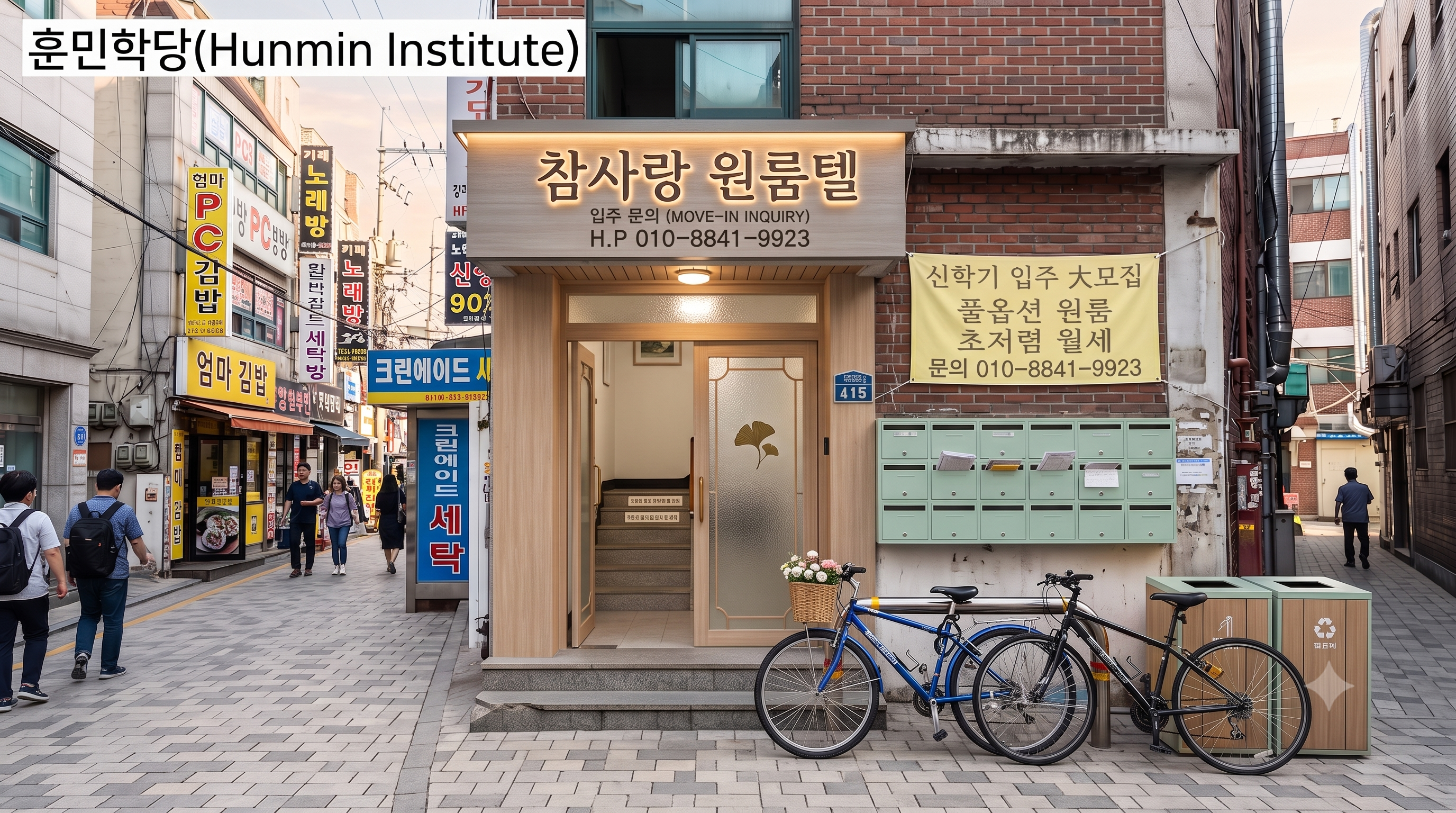
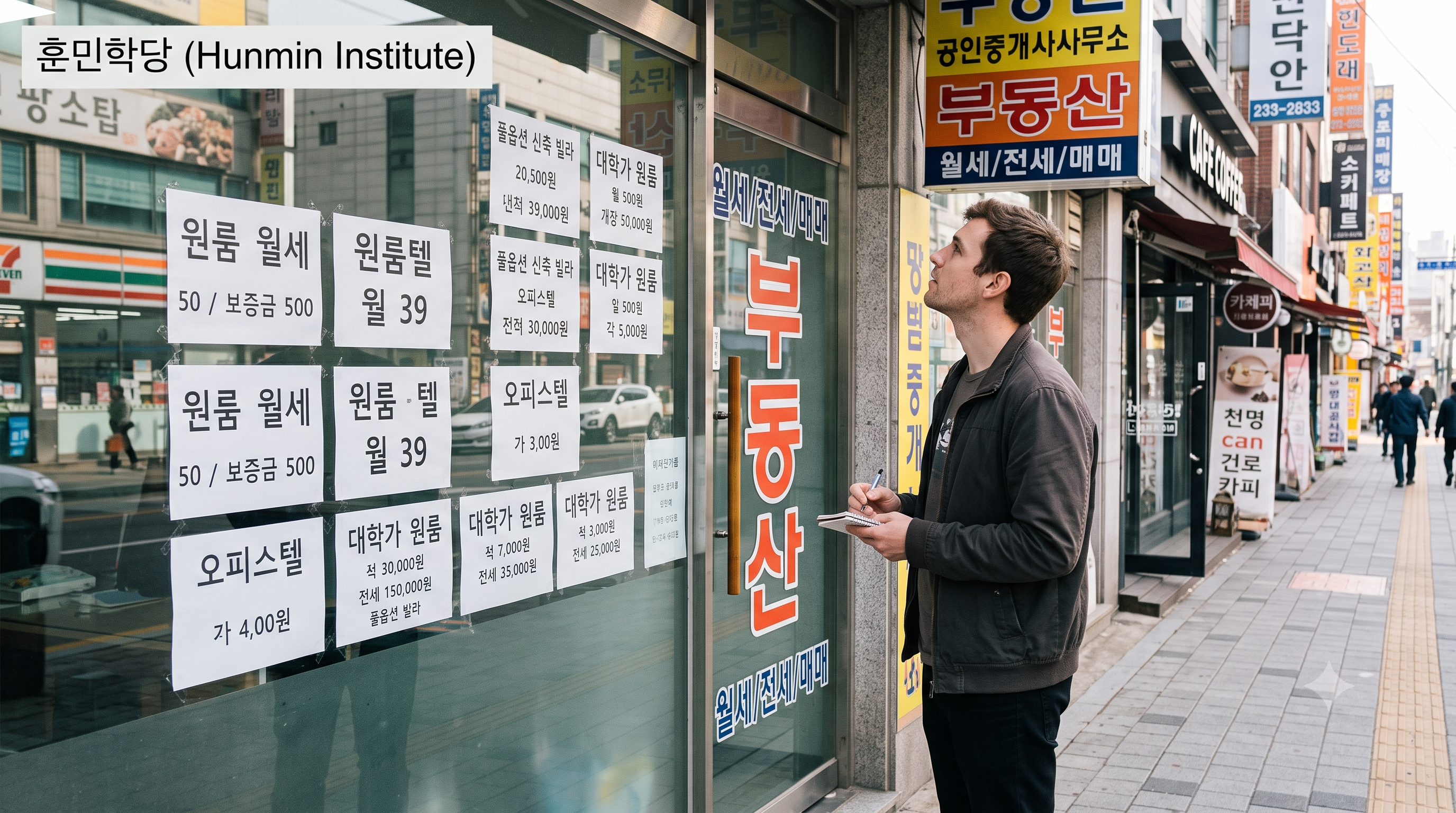
예산이 정해지면 볼 수 있는 방이 좁혀집니다. 아래 네 가지가 외국인이 실제로 들어가는 유형입니다.
Once the budget is set, the field narrows. These four are the types foreigners actually move into.
| 유형 Type |
보증금과 월세 Deposit and rent |
특징 What it is like |
|---|---|---|
| 고시원, 원룸텔 [gosiwon, wonrumtel] Goshiwon, one-room tel |
보증금이 없거나 아주 적고 월세가 가장 낮은 편 Little or no deposit, the lowest rent |
방이 좁고 주방은 공용이며 월 단위로 들어가고 나올 수 있습니다 Small rooms with a shared kitchen; you can move in and out by the month |
| 셰어하우스 [syeeohauseu] Share house |
보증금이 적고 월세도 낮은 편 Small deposit and low rent |
방은 따로 쓰고 주방과 거실은 함께 쓰며 관리비가 따로 붙는 곳이 많습니다 Your own room, shared kitchen and living room; a separate fee is common |
| 원룸 [wonrum] Studio |
보증금이 천차만별이고 월세는 중간 Deposits vary widely, rent in the middle |
방 안에 주방과 화장실이 있고 보증금은 수백만 원부터 수천만 원까지 벌어집니다 Kitchen and bathroom inside; deposits run from a few million to tens of millions of won |
| 오피스텔 [opiseutel] Officetel |
보증금이 많고 월세도 높은 편 Large deposit and high rent |
시설이 좋고 관리비가 크며 학생보다 직장인 예산대입니다 Better facilities, higher fees; a working professional’s budget rather than a student’s |
여기서 쓰는 표현부터 배워봅시다. 조건을 확인할 때 오가는 말입니다.
Start with the expressions you will use here. These go back and forth as you check the terms.
| 듣는 말 Listening |
하는 말 Speaking |
|---|---|
| 관리비는 별도예요. [gwallibineun byeoldoyeyo] The maintenance fee is separate. |
관리비 포함인가요? [gwallibi pohamingayo] Is the maintenance fee included? |
| 주방은 같이 쓰세요. [jubangeun gachi sseuseyo] The kitchen is shared. |
방에서 요리해도 돼요? [bangeseo yorihaedo dwaeyo] Can I cook in the room? |
| 풀옵션이에요. [puropsyeonieyo] It comes fully furnished. |
세탁기 있어요? [setakgi isseoyo] Is there a washing machine? |
| 전입신고는 안 되는 방이에요. [jeonipsingoneun an doeneun bangieyo] You cannot register your address in this room. |
주소 등록돼요? [juso deungnokdwaeyo] Can I register the address here? |
▶유형을 정하는 것보다 지역을 정하는 것이 빠릅니다.
Picking the neighborhood is faster than picking the type.
고시원과 원룸텔, 고시텔은 사실상 같은 형태를 가리키는 다른 이름입니다. 대학가와 학원가에 몰려 있어 어학당에 다니는 학생 상당수가 여기서 생활합니다. 이름이 원룸텔이라고 해서 원룸은 아닙니다.
Goshiwon, one-room tel and goshitel are different names for essentially the same thing. They cluster around universities and language academies, and many language institute students live in them. A one-room tel is not a studio.
고시원과 원룸텔은 건축법상 다중생활시설이라 방 안에 취사시설을 두지 않는 것이 원칙입니다. 공용 주방을 쓰게 되며, 방에서 요리하려면 원룸으로 올라가야 합니다.
Under building law these count as multi-unit living facilities, so as a rule there is no cooking equipment inside the room. You use the shared kitchen, and cooking in your own room means moving up to a studio.
방은 포털에서 학교 이름을 넣어 한국어로 검색하고, 앱에서 지도를 놓고 같은 동네끼리 견주고, 지하철로 한두 정거장 밖까지 넓힌 뒤, 마지막에는 직접 가서 낮과 밤에 한 번씩 걸어 보는 순서로 찾습니다. 매물이 가장 많은 앱은 한국어로만 되어 있으므로 원룸, 원룸텔, 월세, 보증금 네 낱말은 그대로 넣어야 결과가 나옵니다.
Search on a portal in Korean with your school’s name, compare within one neighborhood on the map in an app, widen by a stop or two on the subway, and finally walk the street yourself once by day and once at night. The apps with the most listings are Korean-only, so type 원룸, 원룸텔, 월세 and 보증금 as they are or nothing comes up.
4. 기숙사와 회사 숙소, 실제로 들어갈 수 있는가
Dorms and Company Housing: Can You Actually Get In
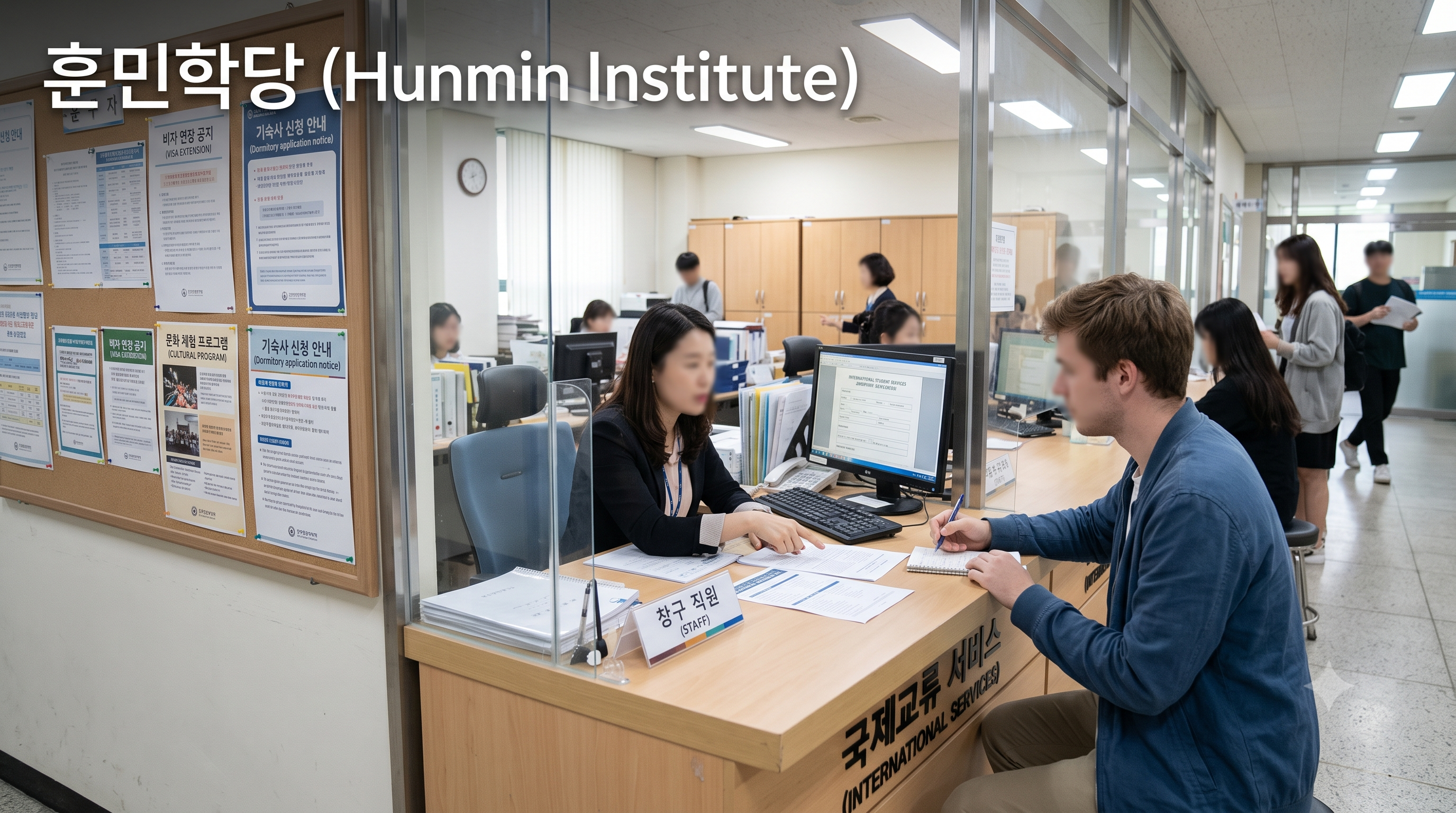
소속이 있으면 예산이 크게 내려갑니다. 다만 자리가 한정되어 있어 조건과 시기를 알고 움직여야 합니다.
Belonging somewhere brings the budget down sharply. Places are limited, though, so you have to know the terms and the timing before you move.
| 경로 Route |
어떻게 들어가는가 How you get in |
놓치기 쉬운 점 Easy to miss |
|---|---|---|
| 학교 기숙사 [hakgyo gisuksa] University dorm |
학기 시작 두세 달 전에 학교 홈페이지에서 신청하며 기간이 짧습니다 Apply on the school site two or three months before the semester; the window is short |
신입생과 교환학생이 먼저 배정되는 곳이 많습니다 New and exchange students often get priority |
| 기숙사 추가 모집 [gisuksa chuga mojip] Second-round openings |
개강 직후 취소분이 나오므로 국제교류처에 직접 물어봅니다 Cancellations appear right after classes start; ask the international office directly |
공고가 한국어로만 뜨는 경우가 있어 기다리면 놓칩니다 Notices sometimes go up in Korean only, so waiting means missing them |
| 하숙집 [hasukjip] Hasukjip, board and lodging |
대학가 골목의 안내문과 학교 커뮤니티에서 찾습니다 Look for notices in campus-area streets and on school boards |
식사가 포함되는 대신 생활 규칙이 있습니다 Meals are included, but house rules come with them |
| 회사 제공 숙소 [hoesa jegong sukso] Employer-provided housing |
입사 전 근로계약 단계에서 정해집니다 Settled at the contract stage before you start |
숙소비가 급여에서 빠지는지와 그 금액이 계약서에 적혀 있어야 합니다 Whether housing costs are deducted from pay, and how much, must be in the contract |
여기서 쓰는 표현부터 배워봅시다. 학교 사무실과 회사에서 오가는 말입니다.
Start with the expressions you will use here. These go back and forth at a school office or a company.
| 듣는 말 Listening |
하는 말 Speaking |
|---|---|
| 이번 학기 기숙사는 마감됐어요. [ibeon hakgi gisuksaneun magamdwaesseoyo] Dorm applications are closed this semester. |
기숙사 신청 지금도 돼요? [gisuksa sincheong jigeumdo dwaeyo] Can I still apply for the dorm? |
| 자리 나면 연락드릴게요. [jari namyeon yeollakdeurilgeyo] We will call you if a place opens up. |
언제쯤 알 수 있어요? [eonjejjeum al su isseoyo] About when will I know? |
| 숙소는 회사에서 제공합니다. [suksoneun hoesaeseo jegonghamnida] The company provides the housing. |
숙소비는 얼마예요? [suksobineun eolmayeyo] How much is the housing cost? |
| 급여에서 공제됩니다. [geubyeoeseo gongjedoemnida] It is deducted from your pay. |
계약서에 적혀 있어요? [gyeyakseoe jeokyeo isseoyo] Is it written in the contract? |
▶회사 숙소는 들어와서 구하는 것이 아니라 들어오기 전에 정해집니다.
Company housing is settled before you arrive, not found after.
숙소를 제공하는 일자리는 대부분 사람을 구하기 어려운 업종에 몰려 있습니다. 제조업과 농축산업, 어업처럼 도시에서 떨어진 곳이 많고, 그래서 회사가 숙소를 함께 내놓습니다. 이미 한국에 들어와 일자리를 찾는 상황에서 숙소가 붙은 자리를 새로 잡기는 쉽지 않습니다.
Jobs that come with housing sit mostly in sectors that struggle to hire. Manufacturing, farming and fishing are often far from cities, which is why housing is offered alongside the job. Landing one of those positions after you are already in Korea is not easy.
비전문취업 비자로 오는 경우 숙소 조건은 표준근로계약서에 적힙니다. 숙소의 형태와 숙식비를 얼마 공제하는지가 계약서에 들어가고, 급여에서 빼려면 본인의 서면 동의가 필요합니다. 계약서에 적힌 금액과 실제로 빠지는 금액이 다르면 그것은 정상이 아닙니다.
If you come on a non-professional employment visa, the housing terms are written into the standard labor contract, including the type of housing and the amount deducted for room and board. Deducting it from your pay requires your written consent. If the figure in the contract and the figure taken from your pay differ, that is not normal.
5. 보증금이 부담될 때, 방을 나누는 방법
When the Deposit Is Too Much: Sharing a Place
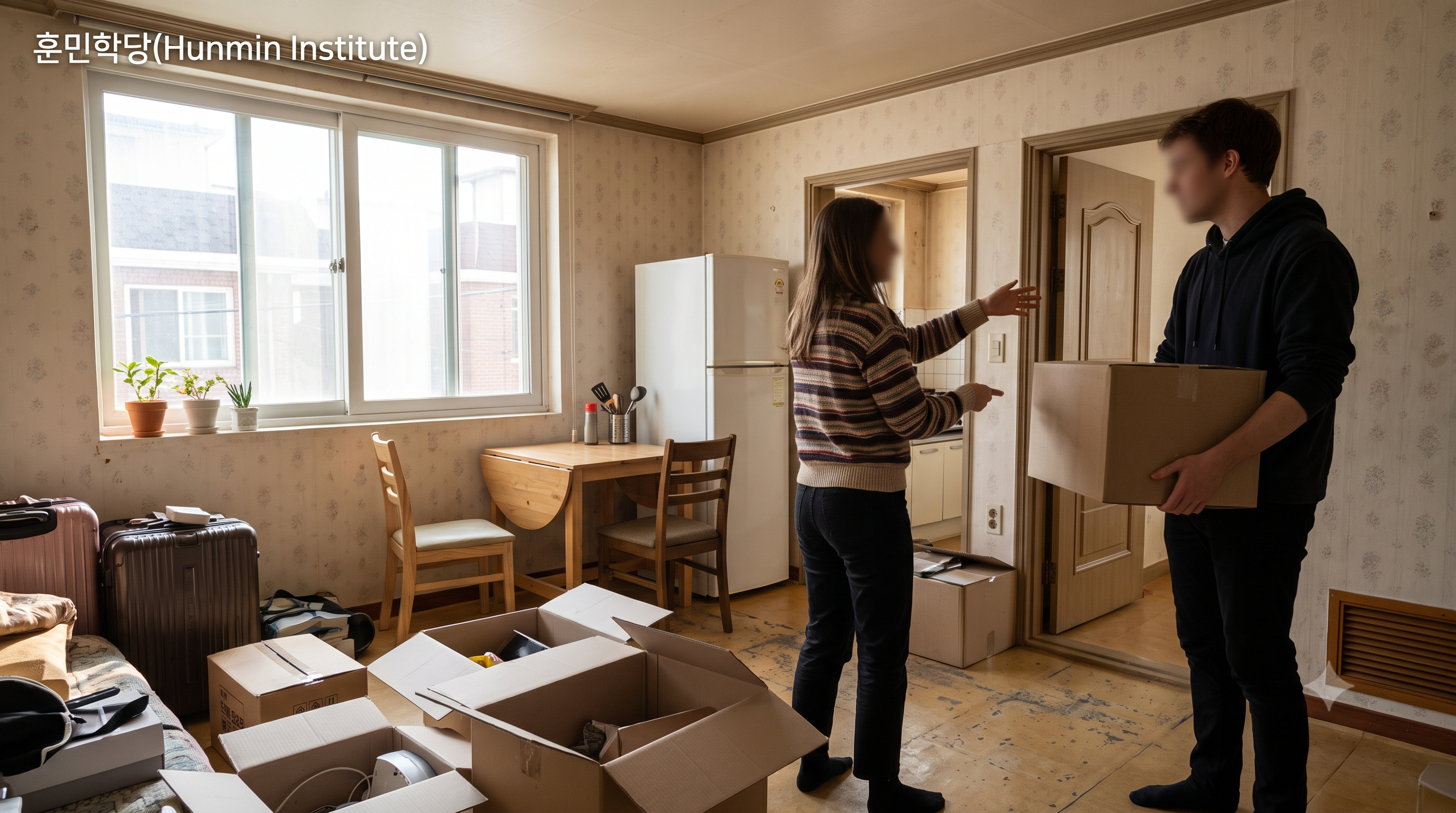
보증금이 가장 큰 벽입니다. 그래서 한국에 사는 외국인들 사이에는 방을 나누거나 넘겨받는 흐름이 따로 있습니다. 부동산에는 올라오지 않고 커뮤니티 안에서만 돕니다.
The deposit is the biggest wall. So among foreigners living in Korea there is a separate flow of rooms being shared or handed over. These never reach the agencies; they circulate inside communities.
| 방식 Method |
어떤 경우인가 When it applies |
반드시 확인할 것 Check without fail |
|---|---|---|
| 방 나눠 쓰기 [bang nanwo sseugi] Sharing a place |
보증금과 월세를 둘이 나눠 부담하며 투룸을 함께 얻는 경우가 많습니다 Two people split the deposit and rent, often taking a two-room flat |
계약서에 두 사람 이름이 들어가는지 확인하십시오 Make sure both names are on the contract |
| 기간 넘겨받기 [gigan neomgyeobatgi] Taking over a period |
먼저 살던 사람이 방학이나 귀국으로 몇 달 비울 때 그 기간만 들어갑니다 You take the room only for the months the current tenant is away |
집주인 동의가 필요합니다 The landlord must agree |
| 짐과 옵션 인수 [jimgwa opsyeon insu] Taking over furniture |
나가는 사람의 냉장고와 세탁기, 책상을 싸게 넘겨받습니다 You buy the departing tenant’s fridge, washer and desk cheaply |
방을 보러 갈 때 함께 확인하고 값을 정하십시오 Check the items and agree on a price when you view |
여기서 쓰는 표현부터 배워봅시다. 방을 나눌 사람을 찾을 때 오가는 말입니다.
Start with the expressions you will use here. These go back and forth as you look for someone to share with.
| 듣는 말 Listening |
하는 말 Speaking |
|---|---|
| 보증금은 반씩 내면 돼요. [bojeunggeumeun banssik naemyeon dwaeyo] We can each pay half the deposit. |
방 같이 쓸 사람 구하세요? [bang gachi sseul saram guhaseyo] Are you looking for someone to share the place? |
| 저는 다음 달에 나가요. [jeoneun daeum dare nagayo] I am moving out next month. |
계약이 언제까지예요? [gyeyagi eonjekkajiyeyo] When does the lease run until? |
| 집주인한테 물어볼게요. [jipjuinhante mureobolgeyo] I will ask the landlord. |
집주인 동의 받았어요? [jipjuin dongui badasseoyo] Did you get the landlord’s consent? |
| 냉장고는 두고 갈게요. [naengjanggoneun dugo galgeyo] I will leave the fridge behind. |
얼마에 넘기실 거예요? [eolmae neomgisil geoyeyo] How much are you asking for it? |
▶이 방들은 학기가 끝날 때 한꺼번에 쏟아집니다.
These rooms all come out at once when a semester ends.
학기 종료와 귀국 시기가 겹치는 때가 가장 많습니다. 대학 유학생 커뮤니티와 지역별 주거 그룹, 학교 게시판을 그 시기에 자주 들여다보면 부동산에 없는 조건이 나옵니다.
The end of term and departures overlap. Check international student communities, local housing groups and campus boards often during that stretch and you will find terms no agency offers.
다만 돈이 오가는 자리이므로 확인 없이 송금하지 마십시오. 방을 직접 보고, 지금 살고 있는 사람이 맞는지 확인하고, 집주인 동의를 받은 뒤에 돈을 보내는 순서를 지키면 대부분의 문제가 걸러집니다.
Money changes hands here, so never transfer before verifying. See the room, confirm the person really lives there, get the landlord’s consent, and only then send money. That order filters out most problems.
6. 부동산에 연락하고 방 보러 가기
Calling the Agency and Going to See the Room
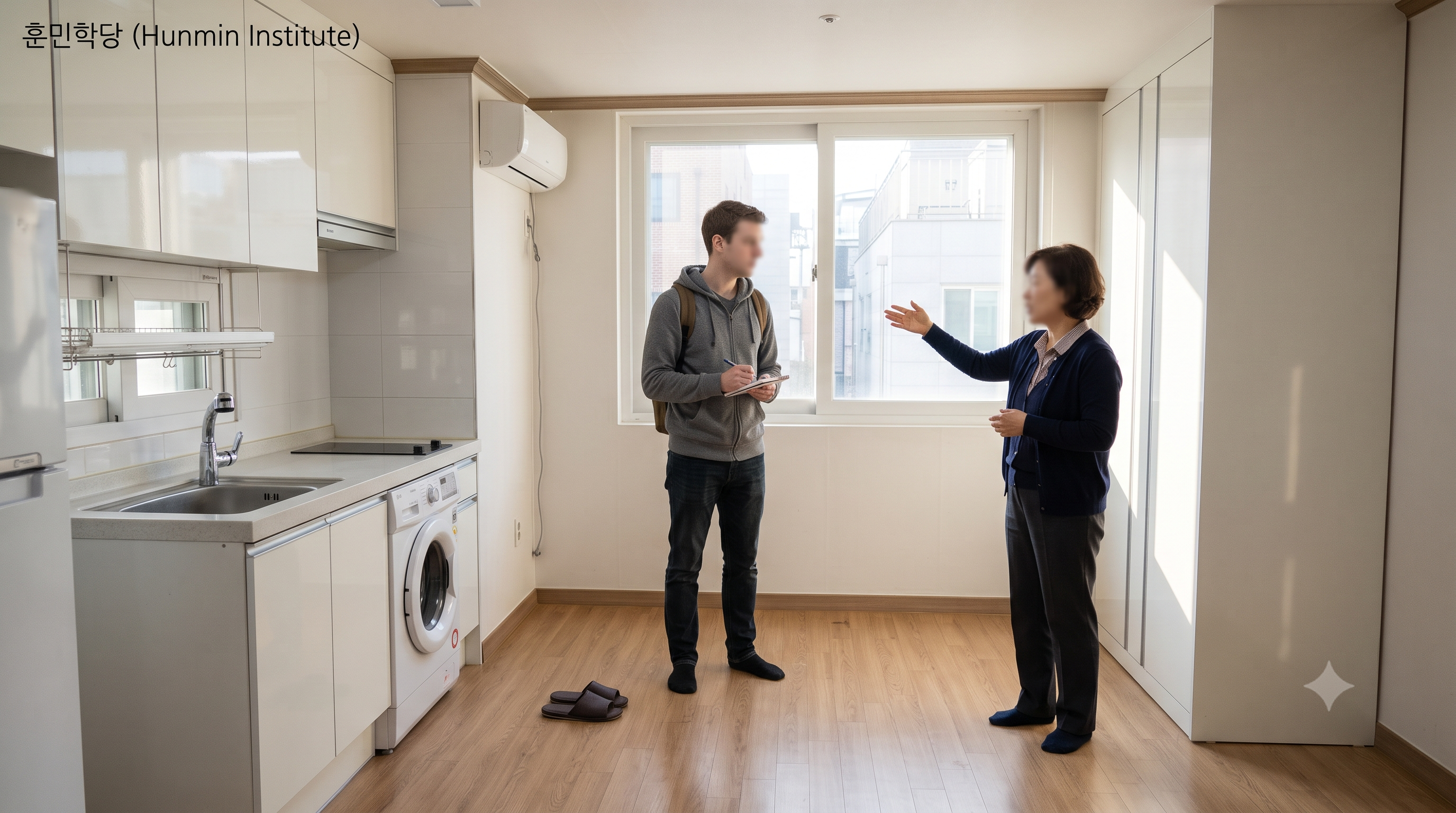
후보를 골랐다면 다음은 부동산입니다. 전화를 걸고, 찾아가고, 방을 보고, 대답을 미루는 네 장면이 순서대로 이어집니다. 장면마다 쓸 말을 미리 정해 두면 그날 말이 막히지 않습니다.
Once you have candidates, the agency is next. Four scenes follow in order: calling, arriving, viewing and holding off on an answer. Decide your lines for each scene in advance and you will not freeze on the day.
여기서 쓰는 표현부터 배워봅시다. 전화부터 보류까지 오가는 말입니다.
Start with the expressions you will use here. These go back and forth from the phone call to the pause.
| 듣는 말 Listening |
하는 말 Speaking |
|---|---|
| 그 방은 나갔어요. [geu bangeun nagasseoyo] That one is already taken. |
인터넷에서 보고 전화드렸는데요. [inteoneteseo bogo jeonhwadeuryeonneundeyo] I am calling about a listing I saw online. |
| 지금 보러 가실래요? [jigeum boreo gasillaeyo] Shall we go and see it now? |
방 보러 왔는데요. [bang boreo wanneundeyo] I am here to see a room. |
| 풀옵션이라 몸만 들어오시면 돼요. [puropsyeonira mommam deureoosimyeon dwaeyo] It is fully furnished, so you just bring yourself. |
언제부터 들어올 수 있어요? [eonjebuteo deureool su isseoyo] From when can I move in? |
| 오늘 결정하셔야 잡아 드려요. [oneul gyeoljeonghasyeoya jaba deuryeoyo] I can only hold it if you decide today. |
좀 더 보고 연락드릴게요. [jom deo bogo yeollakdeurilgeyo] I will look around a bit more and call you. |
▶좀 더 보고 연락드릴게요는 거절이 아니라 보류입니다.
This line is not a refusal but a pause.
한국에서는 그 자리에서 안 한다고 말하기보다 이 문장으로 시간을 버는 쪽이 자연스럽고, 중개인도 그렇게 알아듣습니다. 오늘 결정하라는 말을 들어도 이 한 문장이면 충분합니다.
In Korea, buying time with this line is more natural than saying no on the spot, and agents read it that way. Even when pressed to decide today, this one sentence is enough.
부동산은 하루에 두세 곳을 돌아보는 것이 보통입니다. 첫 집에서 결정하지 않아도 실례가 되지 않습니다.
Seeing two or three places in a day is normal. Not deciding at the first one is not rude.
예산을 먼저 세우고, 보증금과 월세를 저울처럼 조정하고, 학교와 회사를 통해 들어갈 수 있는 경로와 커뮤니티를 확인한 뒤 부동산에서 말이 통하면 방은 정해집니다. 다음 편에서는 계약서에서 확인할 것과 보증금을 지키는 절차를 다룹니다.
Set the budget, balance deposit against rent, check the routes open to you through your school or employer and the community, and once you can hold the conversation at the agency, the room is settled. Part 2 covers what to check in the contract and how to protect your deposit.
Next: Korean Lease Contract Part 2: Protect Your Deposit ↗
토픽 맛보기
TOPIK Preview
유형: TOPIK Ⅰ 읽기 [34~39], 대화, 빈칸에 알맞은 것 고르기
Type: TOPIK I Reading [34–39], dialogue, choose the correct word for the blank
( )에 들어갈 말로 가장 알맞은 것을 고르십시오.
Choose the most appropriate word for the blank.
가: 보증금을 올리면 월세는 어떻게 돼요? 나: 보증금을 올리시면 월세는 ( ).
A: If I raise the deposit, what happens to the rent? B: If you raise the deposit, the rent ( ).
① 내려갑니다
② 올라갑니다
③ 없습니다
④ 많습니다
Answer ▾
정답 ① 내려갑니다
Answer: ① 내려갑니다
보증금과 월세는 서로 반대로 움직이므로 목돈을 더 맡기면 매달 내는 돈이 줄어듭니다. ②는 방향이 반대라 진술이 어긋나고, ③은 월세가 있느냐 없느냐만 말해 일부만 걸리며, ④는 그럴듯해 보여도 양을 말할 뿐 변화를 나타내지 못합니다. 흉내 낸 대문항은 TOPIK Ⅰ 읽기 [34~39]입니다.
Deposit and rent move in opposite directions, so a larger lump sum lowers what you pay each month. ② runs the wrong way, ③ only says whether rent exists, and ④ speaks of amount rather than change. The item type modeled here is TOPIK I Reading [34–39].
FAQ
Q1. 외국인등록증이 없어도 방을 구할 수 있나요?Answer ▾
Q1. Can I rent a room without an alien registration card?
A1. 여권으로 계약할 수 있는 곳이 있습니다. 다만 등록증을 받으려면 체류지 주소가 있어야 하므로, 입국 초기에는 단기 숙소나 보증금이 없는 방에서 시작한 뒤 옮기는 순서가 안전합니다.
A1. Some places will sign with a passport. But getting the card requires an address, so early on it is safer to start in short-term lodging or a no-deposit room and move afterward.
Q2. 부동산 중개수수료는 누가 내나요?Answer ▾
Q2. Who pays the agency commission?
A2. 임차인도 냅니다. 상한 요율은 지방자치단체 조례로 정해져 있으므로, 방을 보기 전에 수수료가 얼마인지 먼저 물어보십시오.
A2. The tenant pays too. Ceiling rates are set by local ordinance, so ask what the commission will be before you start viewing.
Q3. 계약 기간을 1년보다 짧게 할 수 있나요?Answer ▾
Q3. Can I sign for less than a year?
A3. 고시원과 원룸텔, 셰어하우스는 월 단위로 짧게 들어갈 수 있습니다. 원룸은 보통 1년 이상으로 잡습니다. 짧게 살 예정이라면 유형을 먼저 그쪽으로 좁히는 편이 낫습니다.
A3. Goshiwon, one-room tels and share houses take you by the month. Studios usually run a year or more. If your stay is short, narrow to those types from the start.
Q4. 방을 보러 갔을 때 무엇을 확인해야 하나요?Answer ▾
Q4. What should I check when viewing a room?
A4. 물을 틀어 수압을 보고, 창문을 열어 채광과 소음을 보고, 곰팡이 자국을 확인하십시오. 관리비에 무엇이 포함되는지, 주소를 등록할 수 있는 방인지도 그 자리에서 물어야 합니다.
A4. Run the water for pressure, open the window for light and noise, and look for mold stains. Ask on the spot what the maintenance fee covers and whether you can register the address there.
Q5. 제시받은 가격이 적당한지 어떻게 아나요?Answer ▾
Q5. How do I know if the price I am quoted is fair?
A5. 같은 동네, 같은 유형의 매물 다섯 개를 앱에서 나란히 놓고 보는 것이 가장 빠릅니다. 실거래가 공개시스템에서 실제 계약 금액도 볼 수 있지만 신고된 임대차 계약만 잡히므로 고시원과 원룸텔은 조회되지 않습니다.
A5. Lining up five listings of the same type in the same neighborhood is fastest. The actual transaction price system shows real contract amounts, but it holds only reported leases, so goshiwon and one-room tels do not appear.
Vocabulary and Pronunciation for Foreigners
| No | Korean | Romanisation | Meaning |
|---|---|---|---|
| 1 | 보증금 | bojeunggeum | (n) deposit [dɪˈpɑːzɪt] |
| 2 | 월세 | wolse | (n) monthly rent [rent] |
| 3 | 관리비 | gwallibi | (n) maintenance fee [ˈmeɪntənəns] |
| 4 | 풀옵션 | puropsyeon | (n) fully furnished [ˈfɜːrnɪʃt] |
| 5 | 집주인 | jipjuin | (n) landlord [ˈlændlɔːrd] |
| ▾ 단어 50개 더 보기 Show 50 more ↗ | |||
The blog page has limits of space and function, so only five words are shown here. The rest of the word list, the audio, the sentences and tables, the FAQ, the worksheet, the TOPIK questions and the lesson video are on the Hunmin Institute website ↗, free for blog subscribers.
참고 기관
Official Sources
국토교통부 실거래가 공개시스템 ↗
Actual Transaction Price Disclosure System
https://rt.molit.go.kr
기관 설명 보기 About this institute ▾
This is where you look up the real amounts of reported leases. Use it to gauge prices for studios and officetels; goshiwon and one-room tels are not reportable and do not appear. Prices keep moving, so check again before you sign.
고용노동부 ↗
Ministry of Employment and Labor
https://www.moel.go.kr
기관 설명 보기 About this institute ▾
This is the ministry that publishes the standard labor contract and the rules on deducting room and board. If your employer provides housing, this is where you check how much may be taken from your pay.
※ 본 콘텐츠(원고, 이미지, 예문 포함)는 저작권법에 의해 보호받는 훈민학당의 저작물입니다. 무단 복제, 전재, 재배포 및 AI 학습 데이터로의 이용을 금합니다.
This content (manuscript, images, and example sentences) is the copyrighted property of Hunmin Institute, protected under copyright law. Unauthorized copying, reproduction, redistribution, and use as AI training data are prohibited.
'K-Life' 카테고리의 다른 글
| Opening a Bank Account in Korea as a Foreigner (0) | 2026.08.08 |
|---|---|
| Korean Lease Contract Part 2: Protect Your Deposit (0) | 2026.08.08 |
| Alien Registration Card Korea: The 90-Day Deadline (0) | 2026.08.04 |
| Exchange Student vs Language Course: Two Korean Student Visas (0) | 2026.07.26 |
| Essential Korea Travel Apps Before Visiting (0) | 2026.07.22 |


