
Korean Health Insurance for Foreigners Explained
가입하는 것이 아니라 이미 가입되어 있습니다
Fall behind on health insurance and the visa extension review can flag it.
Learn when enrollment starts, what it costs, and how reductions work.
건강보험료를 밀리면 병원만 막히는 것이 아니라 체류 연장 심사에도 걸릴 수 있습니다.
이 글에서 가입 시점과 보험료, 감면과 면제까지 순서대로 익힙니다.
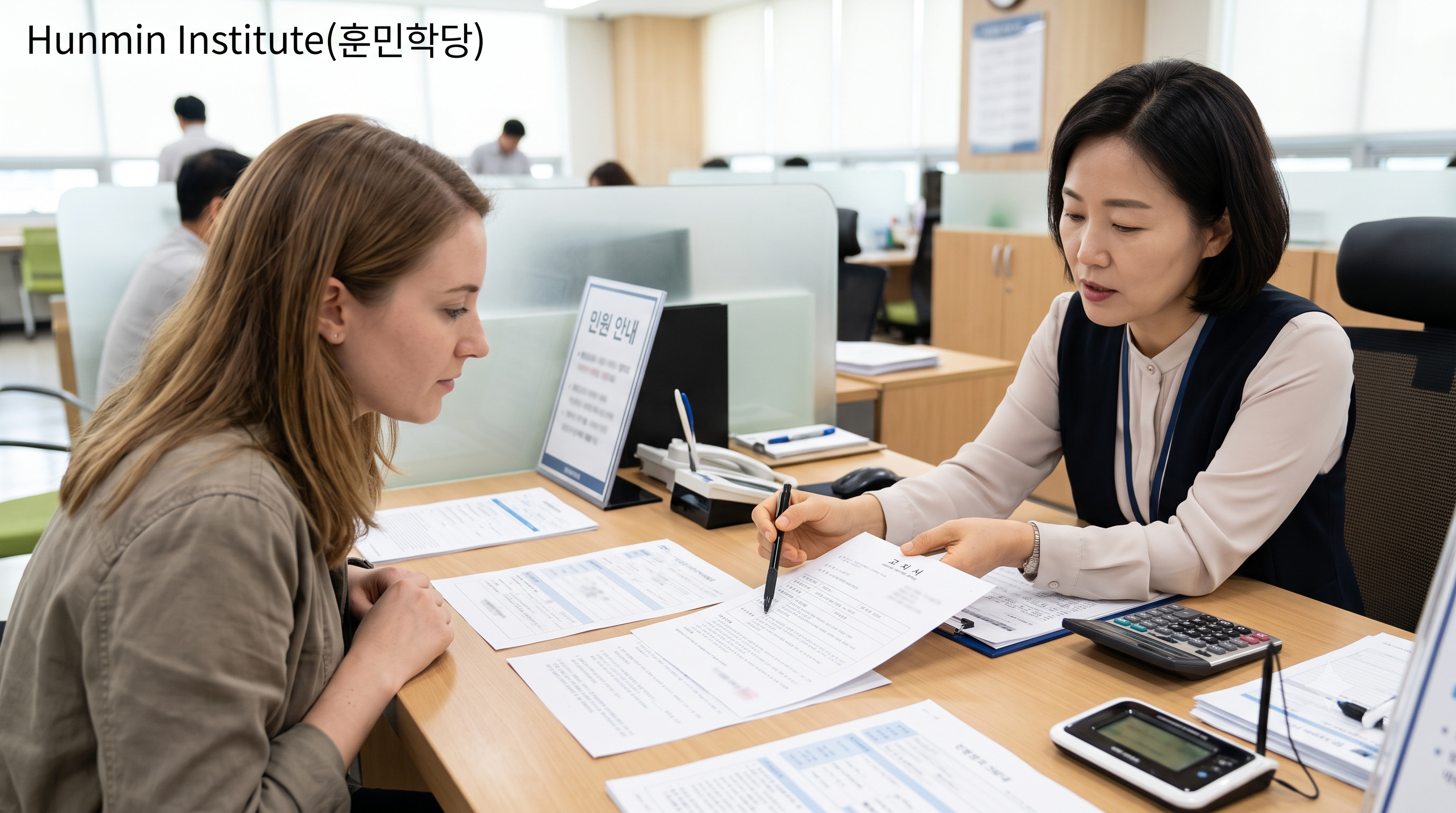
All learning services for the teaching materials published on this blog are free for blog subscribers on the Hunmin Institute website ↗.
이 글에서 배우는 핵심 회화
Key Expressions in This Lesson
공단 창구와 전화 상담에서 오가는 말은 정해져 있습니다. 아래 여덟 문장은 좌우가 한 쌍의 대화가 아니라 각각 따로 익히는 문장입니다. 먼저 눈에 담고 본문으로 들어가십시오.
Only a set number of lines go back and forth at an NHIS counter or on a support call. The two columns below are not paired dialogue; each sentence is learned on its own. Take them in first, then move into the main text.
| 듣는 말 Listening |
하는 말 Speaking |
|---|---|
| 자동으로 가입되셨어요. [jadongeuro gaipdoesyeosseoyo] You were enrolled automatically. |
이거 왜 나왔어요? [igeo wae nawasseoyo] Why did I get this? |
| 매달 이십오일까지 내시면 돼요. [maedal isibogilkkaji naesimyeon dwaeyo] Pay by the 25th of each month. |
학생 감면 되나요? [haksaeng gammyeon doenayo] Do I qualify for the student reduction? |
| 밀리면 연장 심사에 걸릴 수 있어요. [millimyeon yeonjang simsae geollil su isseoyo] Falling behind can flag you in the extension review. |
나눠서 낼 수 있어요? [nanwoseo nael su isseoyo] Can I pay in installments? |
| 감면 대상인지 확인해 볼게요. [gammyeon daesanginji hwaginhae bolgeyo] Let me check whether you qualify for a reduction. |
저는 언제부터 가입됐어요? [jeoneun eonjebuteo gaipdwaesseoyo] From when have I been enrolled? |
첫째 줄은 소단락 2에서, 둘째 줄은 소단락 3에서, 셋째 줄은 소단락 4에서, 넷째 줄은 소단락 5에서 다루고, 고지서를 처음 받았을 때 쓰는 말은 소단락 1에서 다룹니다.
The first row is covered in Section 2, the second in Section 3, the third in Section 4 and the fourth in Section 5, while the lines for the first bill you receive come in Section 1.
1. 신청한 적이 없는데 고지서가 옵니다
A Bill Arrives Though You Never Applied
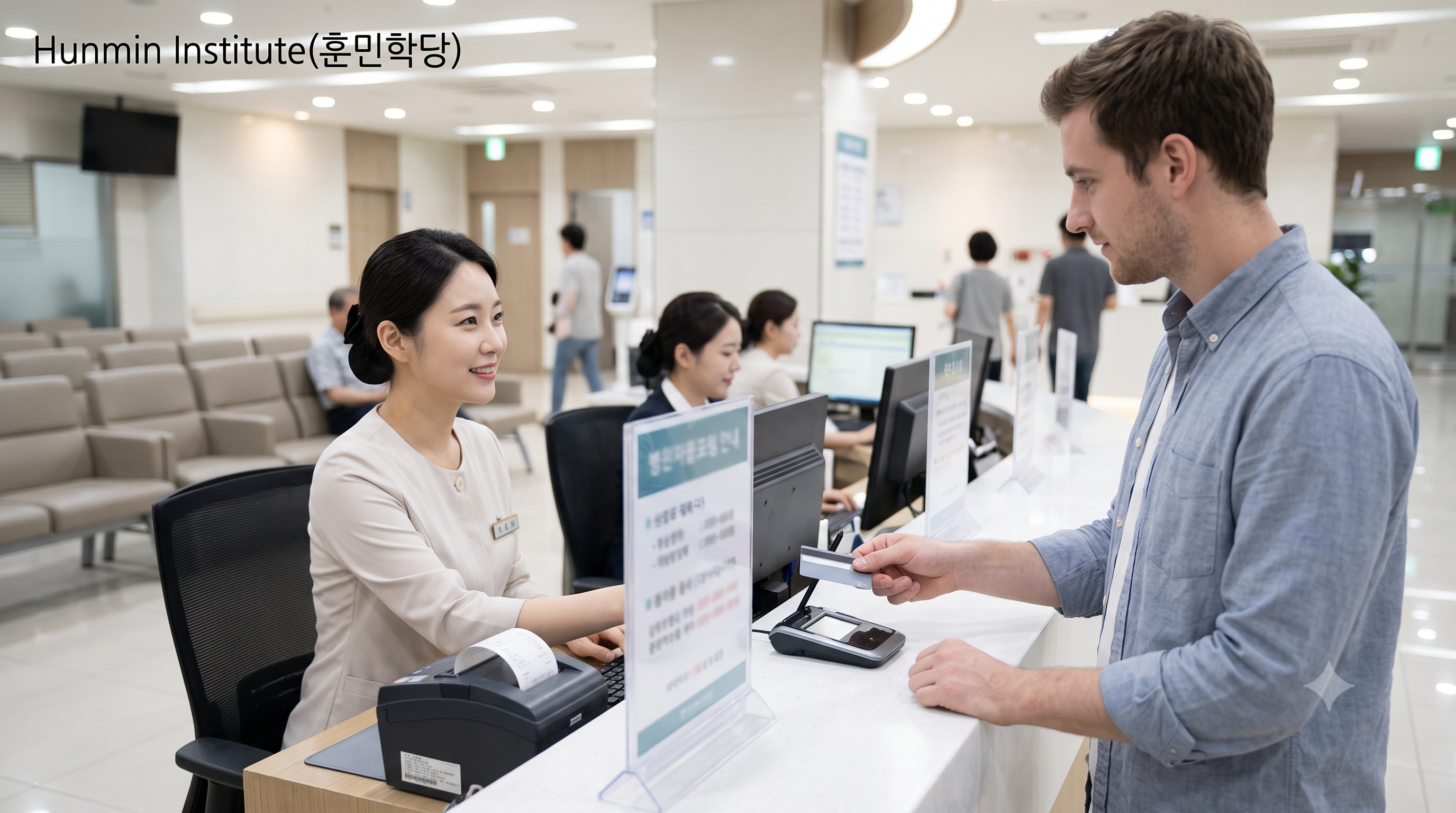
어느 날 우편함에 건강보험료 고지서가 들어 있습니다. 신청한 적이 없으니 잘못 온 것이라고 생각하기 쉽습니다. 그런데 잘못 온 것이 아닙니다. 조건이 되면 신청 없이 저절로 가입되기 때문입니다.
One day a health insurance bill turns up in your mailbox. Since you never applied, it is easy to assume it came by mistake. It did not. Once you meet the conditions, enrollment happens on its own, without any application.
2019년 7월부터 한국에 6개월 이상 머무는 외국인은 국민건강보험에 의무로 가입합니다. 들지 않겠다는 선택지가 없고, 가입 시점도 체류 자격에 따라 정해져 있습니다.
Since July 2019, foreigners staying in Korea for six months or more must join the National Health Insurance. There is no opting out, and the date you are enrolled is set by your visa status.
여기서 쓰는 표현부터 배워봅시다. 고지서를 들고 물어볼 때 오가는 말입니다.
Start with the expressions you will use here. These go back and forth with the bill in hand.
| 듣는 말 Listening |
하는 말 Speaking |
|---|---|
| 자동으로 가입되셨어요. [jadongeuro gaipdoesyeosseoyo] You were enrolled automatically. |
이거 왜 나왔어요? [igeo wae nawasseoyo] Why did I get this? |
| 신청은 따로 안 하셔도 돼요. [sincheongeun ttaro an hasyeodo dwaeyo] You do not need to apply separately. |
저는 안 냈는데요. [jeoneun an naenneundeyo] But I never submitted anything. |
| 의무 가입이라서 그래요. [uimu gaibiraseo geuraeyo] It is because enrollment is mandatory. |
안 들 수는 없어요? [an deul suneun eopseoyo] Can I not join at all? |
| 주소로 고지서가 갑니다. [jusoro gojiseoga gamnida] The bill goes to your registered address. |
고지서를 못 받았어요. [gojiseoreul mot badasseoyo] I did not receive the bill. |
응용 Apply It
↳ [명사] 왜 나왔어요?
[noun] wae nawasseoyo
Why did I get [noun]?
ex 이거 왜 나왔어요?/고지서 왜 나왔어요?/보험료 왜 나왔어요?
ROM igeo wae nawasseoyo/gojiseo wae nawasseoyo/boheomnyo wae nawasseoyo
EN Why did I get this?/Why did I get a bill?/Why am I being charged a premium?
▶한국의 건강보험은 드는 것이 아니라 걸리는 것입니다.
In Korea you do not join health insurance; it attaches to you.
조건이 되면 본인이 아무것도 하지 않아도 가입이 끝나 있습니다. 그래서 고지서가 첫 통지가 되는 경우가 많습니다.
Once the conditions are met, enrollment is already complete without your doing anything, so the bill is often the first notice you get.
이 글은 언제부터 얼마를 내고, 밀리면 어떻게 되며, 줄이거나 면제받는 길이 있는지를 순서대로 다룹니다.
This article covers, in order: when it starts and how much it costs, what happens if you fall behind, and what routes exist to reduce or waive it.
2. 언제부터 가입되는가
When Enrollment Begins
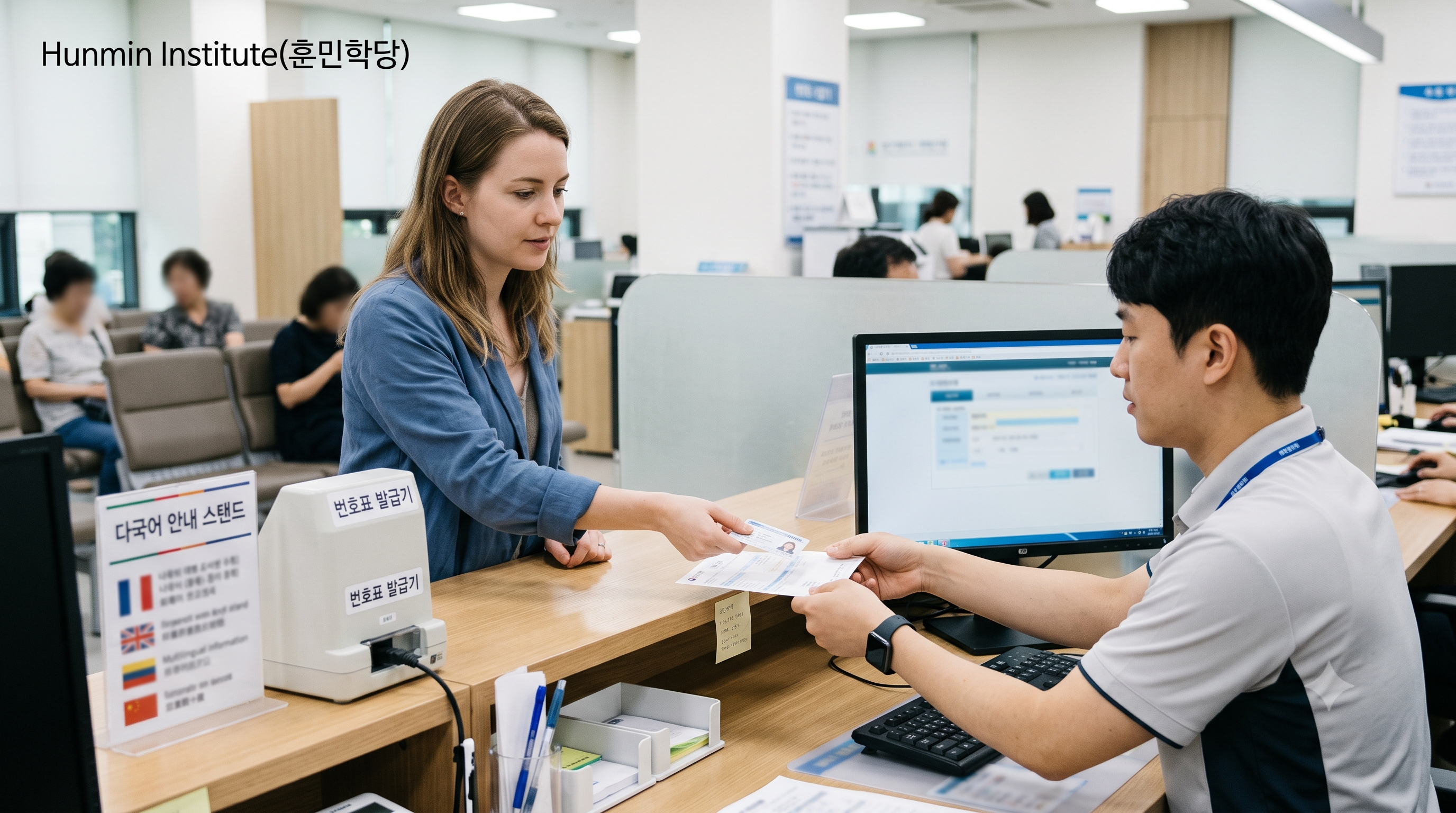
모두가 6개월을 기다리는 것은 아닙니다. 체류 자격에 따라 갈립니다.
Not everyone waits six months. It divides by visa status.
| 누구 Who |
가입 시점 When it starts |
알아 둘 것 Worth knowing |
|---|---|---|
| 회사에 다니는 사람 [hoesae danineun saram] Employed |
입사 첫날 Your first day at work |
회사가 신고하며 보험료는 급여에서 빠집니다 Your employer files it and the premium comes out of your pay |
| 유학 D-2 [yuhak di tu] Study visa (D-2) |
입국일, 처음 입국한 경우에는 외국인등록일 Date of entry; for a first entry, the alien registration date |
6개월을 기다리지 않고 곧바로 가입됩니다 You are enrolled straight away, with no six-month wait |
| 초중고생 D-4 [chojunggosaeng di po] School students (D-4) |
입국일, 처음 입국한 경우에는 외국인등록일 Date of entry; for a first entry, the alien registration date |
D-2와 같은 기준입니다 The same basis as D-2 |
| 일반연수 D-4 [ilbanyeonsu di po] General training (D-4) |
입국일로부터 6개월이 지난 다음 날 The day after six months from your date of entry |
어학당에 다니는 학생 다수가 여기 해당합니다 Most students at language institutes fall here |
| 그 밖의 장기 체류자 [geu bakke janggi cheryuja] Other long-term residents |
입국일로부터 6개월이 지난 다음 날 The day after six months from your date of entry |
지역가입자로 자동 편입됩니다 You are automatically placed as a regional subscriber |
여기서 쓰는 표현부터 배워봅시다. 가입 시점을 확인할 때 오가는 말입니다.
Start with the expressions you will use here. These go back and forth as you check your start date.
| 듣는 말 Listening |
하는 말 Speaking |
|---|---|
| 언제 입국하셨어요? [eonje ipguk hasyeosseoyo] When did you enter the country? |
저는 언제부터 가입됐어요? [jeoneun eonjebuteo gaipdwaesseoyo] From when have I been enrolled? |
| D-2는 바로 가입됩니다. [di tuneun baro gaipdoemnida] D-2 holders are enrolled right away. |
저는 어느 쪽이에요? [jeoneun eoneu jjogieyo] Which category am I in? |
| 6개월 지나야 가입돼요. [yukgaewol jinaya gaipdwaeyo] Enrollment begins after six months. |
그 전에는 어떻게 해요? [geu jeoneneun eotteoke haeyo] What do I do before then? |
| 등록증 번호 불러 주세요. [deungnokjeung beonho bulleo juseyo] Please read me your registration number. |
바로 확인돼요? [baro hwagindwaeyo] Can you check it now? |
▶기다리는 여섯 달 동안은 보험이 없습니다.
During the six-month wait you have no coverage.
일반연수 D-4와 그 밖의 장기 체류자에게 해당하는 이야기입니다. 그 기간에 병원에 가면 진료비를 전부 본인이 냅니다. 여행자 보험이나 민간 보험으로 그 공백을 메우는 사람이 많습니다.
This applies to general training D-4 holders and other long-term residents. Go to a hospital in that window and you pay the full cost yourself. Many people cover the gap with travel or private insurance.
회사에 다니거나 D-2, 초중고생 D-4라면 이 공백이 없습니다. 자기가 어느 갈래인지부터 확인하십시오. 헷갈리면 공단에 전화해 가입 시점을 물어보면 바로 알려 줍니다.
If you are employed, or hold D-2 or school-student D-4, there is no such gap. Work out which category you fall into first. If you are unsure, call the NHIS and they will tell you your enrollment date on the spot.
3. 얼마를 내는가
How Much You Pay
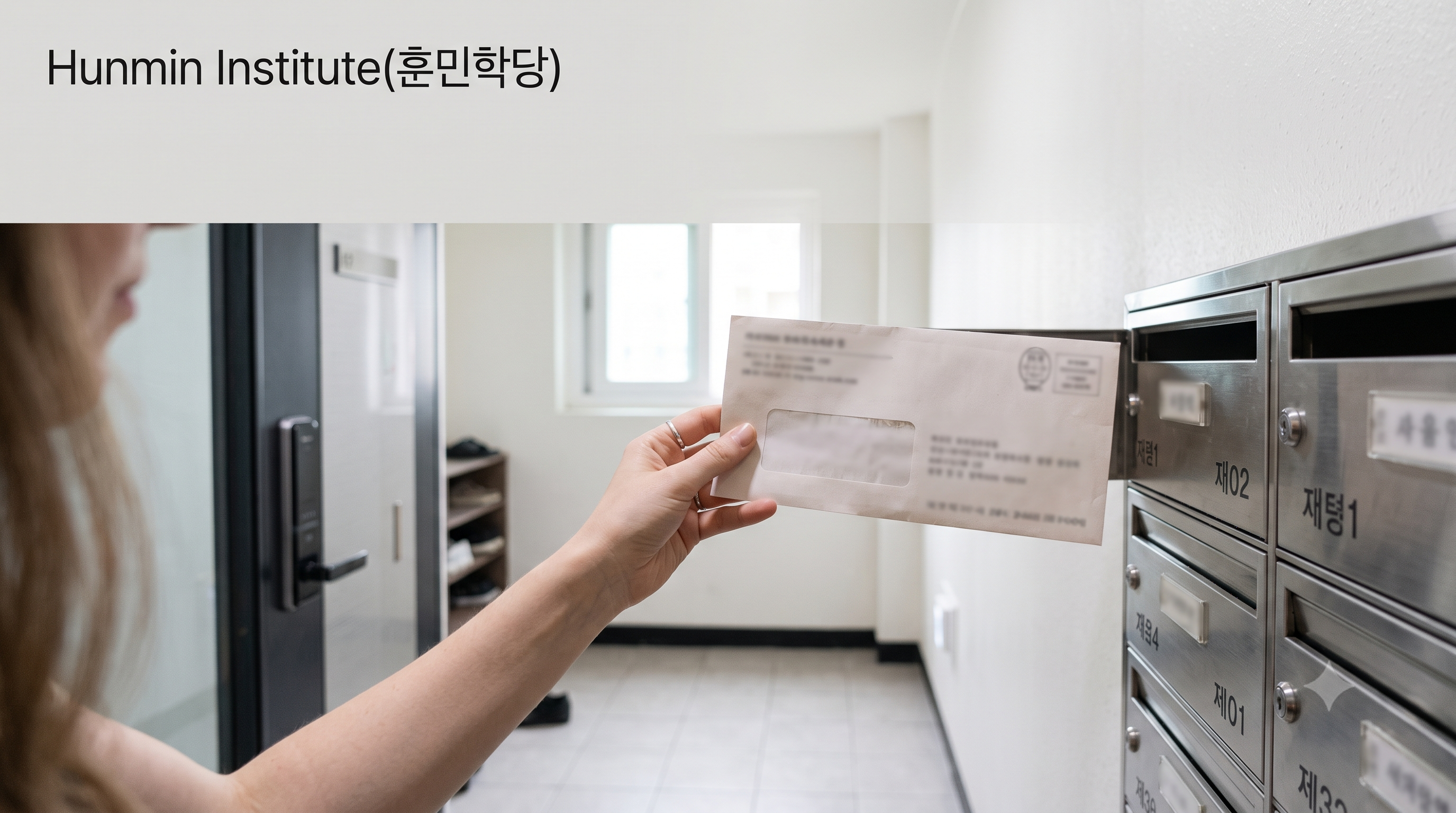
직장에 다니면 급여에 요율을 곱해 계산하고, 지역가입자는 소득과 재산으로 계산하되 하한선이 있습니다. 아래는 2026년 기준입니다.
If you are employed, the premium is a percentage of your salary. Regional subscribers are assessed on income and property, with a floor beneath it. The figures below are for 2026.
| 구분 Category |
2026년 금액 2026 amount |
어떻게 정해지는가 How it is set |
|---|---|---|
| 직장가입자 [jikjanggaipja] Employee subscriber |
급여의 3.595퍼센트 3.595% of salary |
전체 요율 7.19퍼센트를 회사와 절반씩 나눕니다. 본인 몫은 급여에서 빠집니다 The full rate of 7.19% is split evenly with your employer; your half is deducted from your pay |
| 지역가입자 [jiyeokgaipja] Regional subscriber |
월 158,630원 158,630 won a month |
소득과 재산으로 계산한 금액이 이보다 낮으면 이 금액이 부과됩니다. 2025년 152,790원에서 올랐습니다 If the amount calculated from income and property falls below this, this figure is charged instead; it rose from 152,790 won in 2025 |
| 유학 D-2와 D-4 학생 [yuhak di tuwa di po haksaeng] D-2 and D-4 students |
월 79,320원 79,320 won a month |
약 절반이 감면된 금액이며 건강보험료 70,110원과 장기요양보험료 9,210원을 합한 것입니다 This reflects a reduction of about half, combining 70,110 won in health insurance with 9,210 won in long-term care insurance |
| 소득이나 재산이 많은 경우 [sodeugina jaesani maneun gyeongu] Higher income or property |
하한선보다 높음 Above the floor |
외국인은 무조건 최저 금액이라는 말은 사실이 아닙니다 The claim that foreigners always pay the minimum is not true |
여기서 쓰는 표현부터 배워봅시다. 금액을 확인할 때 오가는 말입니다.
Start with the expressions you will use here. These go back and forth as you check the amount.
| 듣는 말 Listening |
하는 말 Speaking |
|---|---|
| 매달 이십오일까지 내시면 돼요. [maedal isibogilkkaji naesimyeon dwaeyo] Pay by the 25th of each month. |
학생 감면 되나요? [haksaeng gamnyeon doenayo] Do I qualify for the student reduction? |
| 고지서에 금액 나와 있어요. [gojiseoe geumaek nawa isseoyo] The amount is printed on the bill. |
저는 얼마 나와요? [jeoneun eolma nawayo] How much is mine? |
| 두 가지가 같이 찍혀요. [du gajiga gachi jjikyeoyo] Two items are printed together. |
이건 무슨 항목이에요? [igeon museun hangmogieyo] What is this line item? |
| 자동이체 하시면 편해요. [jadongiche hasimyeon pyeonhaeyo] Automatic payment is easier. |
통장에서 빠지게 할 수 있어요? [tongjangeseo ppajige hal su isseoyo] Can it be taken from my account? |
▶고지서에는 두 가지가 함께 찍힙니다.
Two items appear together on the bill.
건강보험료와 장기요양보험료입니다. 장기요양보험은 나이가 들거나 몸이 아파 돌봄이 필요할 때 쓰는 별도 제도이고, 건강보험료에 일정 비율을 곱해 함께 부과합니다. 유학생 금액 79,320원이 두 항목으로 나뉘어 적힌 것도 그 때문입니다.
Health insurance and long-term care insurance. Long-term care is a separate scheme for when age or illness makes you need care, and it is charged as a set proportion of the health premium. That is why the student figure of 79,320 won is written as two lines.
위 금액은 기준선이며 본인에게 실제로 부과되는 금액은 소득과 재산, 감면 여부에 따라 달라집니다. 정확한 금액은 고지서와 공단 확인이 기준입니다. 매달 25일까지 그달 몫을 냅니다.
The figures above are reference points; what you are actually charged depends on your income, your property, and any reduction. Your bill and the NHIS are the authority on the exact amount. Payment is due by the 25th of each month.
4. 밀리면 어떻게 되는가
What Happens If You Fall Behind
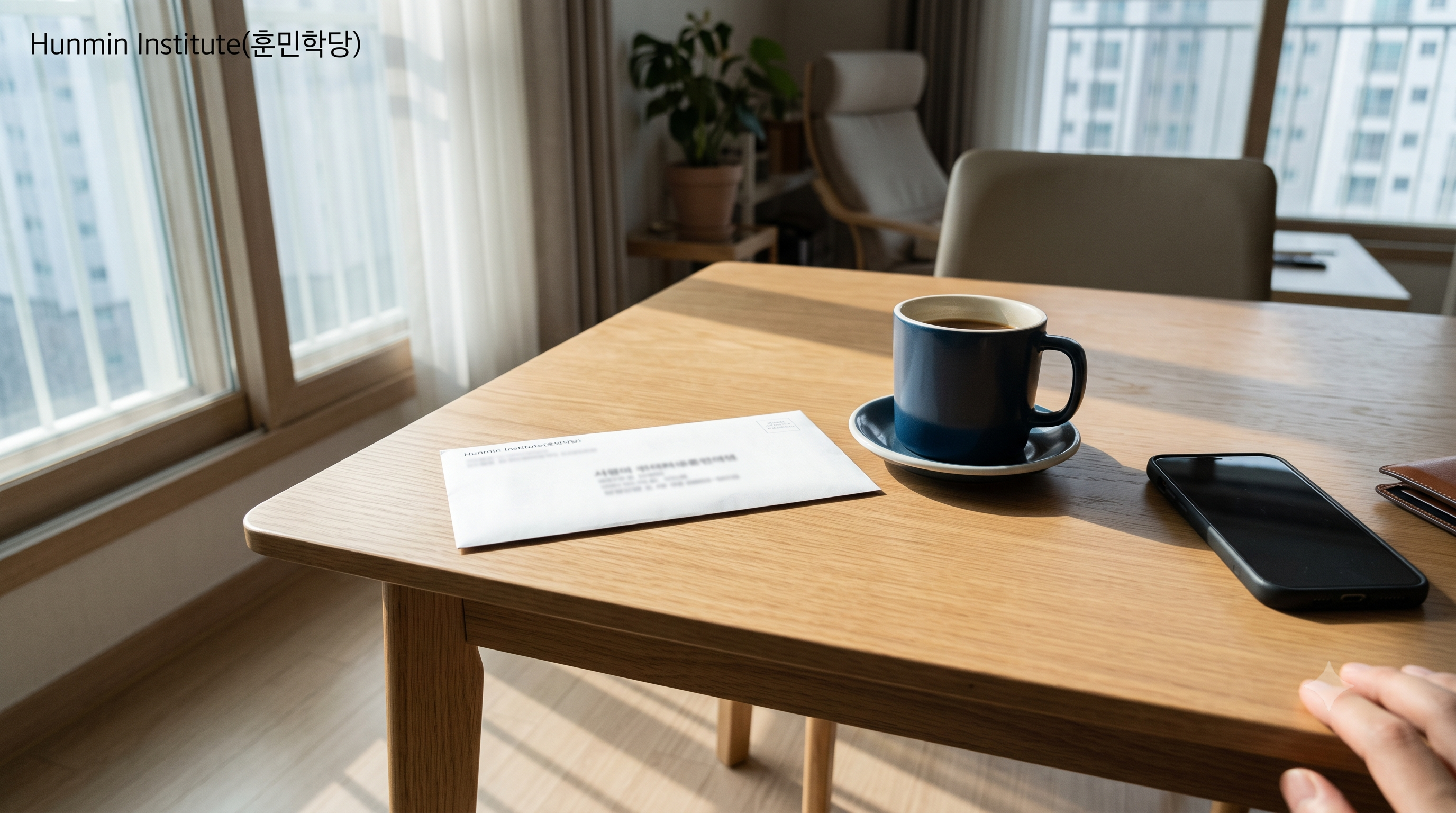
보험료를 밀리면 돈 문제로 끝나지 않습니다. 병원에서 먼저 드러나고, 나중에 체류 연장 창구에서 다시 만납니다.
Falling behind on premiums does not stay a money problem. It shows up first at the hospital, and again later at the visa extension counter.
| 무엇이 What |
어떻게 되는가 What happens |
|---|---|
| 병원비 [byeongwonbi] Medical costs |
체납이 이어지면 보험 적용이 제한되어 진료비를 전부 본인이 내게 됩니다 If arrears continue, coverage is restricted and you pay the full cost yourself |
| 체류 연장 [cheryu yeonjang] Visa extension |
체납이 일정 수준을 넘으면 연장 심사에서 문제가 될 수 있습니다. 판단과 처분은 출입국 소관입니다 Arrears beyond a certain level can become an issue in the review; the judgment and the decision rest with immigration |
| 밀린 금액 [millin geumaek] The unpaid amount |
사라지지 않고 쌓입니다. 나중에 한꺼번에 내야 하므로 부담이 커집니다 It does not disappear; it accumulates, and paying it all at once later hurts more |
| 되돌리는 방법 [doedollineun bangbeop] Putting it right |
밀린 금액을 내면 보험 적용이 다시 살아납니다. 형편이 어려우면 나눠 내는 방법을 상담할 수 있습니다 Clearing the arrears restores your coverage; if money is tight, you can ask about paying in installments |
여기서 쓰는 표현부터 배워봅시다. 밀렸을 때 오가는 말입니다.
Start with the expressions you will use here. These go back and forth when you have fallen behind.
| 듣는 말 Listening |
하는 말 Speaking |
|---|---|
| 밀리면 연장 심사에 걸릴 수 있어요. [millimyeon yeonjang simsae geollil su isseoyo] Falling behind can flag you in the extension review. |
나눠서 낼 수 있어요? [nanwoseo nael su isseoyo] Can I pay in installments? |
| 지금 얼마 밀려 있어요. [jigeum eolma millyeo isseoyo] You currently have this much outstanding. |
오늘 내면 바로 돼요? [oneul naemyeon baro dwaeyo] If I pay today, does it take effect right away? |
| 병원에서 보험이 안 될 수 있어요. [byeongwoneseo boheomi an doel su isseoyo] Coverage may not apply at the hospital. |
지금 병원 가도 돼요? [jigeum byeongwon gado dwaeyo] Can I go to a hospital now? |
| 주소가 옛날 주소로 되어 있어요. [jusoga yennal jusoro doeeo isseoyo] Your address is still the old one. |
주소 바꿔 주세요. [juso bakkwo juseyo] Please update my address. |
▶무조건 연장이 막히는 것은 아닙니다.
An extension is not automatically blocked.
한 달 밀렸다고 곧바로 비자에 문제가 생기지는 않습니다. 다만 체납이 쌓이면 심사에서 확인 대상이 되고, 그때 판단하는 곳은 공단이 아니라 출입국입니다. 연장을 앞두고 있다면 미리 정리해 두는 편이 안전합니다.
One late month does not immediately put your visa at risk. But as arrears build, they become something the review looks at, and the body making that judgment is immigration, not the NHIS. If an extension is coming up, clear it beforehand.
고지서를 못 받았다는 이유로 면제되지는 않습니다. 이사한 뒤 주소를 바꾸지 않아 고지서가 옛 주소로 가는 경우가 많으므로, 이사하면 공단에도 주소를 알리십시오.
Not receiving the bill does not excuse the debt. Bills often go to an old address because a move was never reported, so tell the NHIS whenever you move.
5. 줄이거나 면제받는 길
Routes to Reduce or Waive It

줄일 수 있는 길이 몇 가지 있습니다. 대부분 신청해야 적용되므로 해당하는지부터 확인하십시오.
There are several ways to bring the amount down. Most require an application, so start by checking whether you qualify.
| 방법 Route |
대상 Who it is for |
어떻게 하는가 What to do |
|---|---|---|
| 학생 감면 [haksaeng gamnyeon] Student reduction |
유학 D-2, 일반연수 D-4 등 D-2 and D-4 students |
보험료의 약 절반이 감면됩니다. 자격이 확인되면 적용되므로 공단에 대상 여부를 물어보십시오 About half the premium is waived; it applies once your status is confirmed, so ask the NHIS whether you qualify |
| 분할 납부 [bunhal nabu] Installments |
밀린 금액이 쌓인 사람 Those with accumulated arrears |
한 번에 내기 어려우면 나눠 내는 방법을 상담합니다. 조건은 공단이 판단합니다 If paying at once is hard, ask about splitting it; the NHIS decides the terms |
| 출국 기간 면제 [chulguk gigan myeonje] Waiver while abroad |
방학이나 귀국으로 오래 나가 있는 사람 Those away for a long stretch over vacation or back home |
한 달을 넘겨 국외에 머물면 그 기간 보험료가 면제될 수 있습니다. 요건과 신청 방법은 공단에 확인하십시오 Staying abroad for more than a month can waive the premium for that time; check the conditions and how to apply with the NHIS |
| 본국 보험으로 대체 [bonguk boheomeuro daeche] Home-country coverage |
사회보장협정 체결국 국민 Nationals of countries with a social security agreement |
본국 보험 적용 증명서를 내면 면제를 신청할 수 있습니다. 해당 국가인지 먼저 확인합니다 Submit proof of coverage at home and you can apply for an exemption; check first whether your country qualifies |
| 피부양자 등록 [pibuyangja deungnok] Dependent registration |
직장가입자의 배우자와 19세 미만 자녀 An employee subscriber’s spouse and children under 19 |
요건을 갖추면 따로 보험료를 내지 않고 혜택을 받습니다 Meet the requirements and they are covered without a separate premium |
여기서 쓰는 표현부터 배워봅시다. 감면을 물어볼 때 오가는 말입니다.
Start with the expressions you will use here. These go back and forth as you ask about a reduction.
| 듣는 말 Listening |
하는 말 Speaking |
|---|---|
| 감면 대상인지 확인해 볼게요. [gamnyeon daesanginji hwaginhae bolgeyo] Let me check whether you qualify for a reduction. |
저는 언제부터 가입됐어요? [jeoneun eonjebuteo gaipdwaesseoyo] From when have I been enrolled? |
| 등록증 번호 불러 주시겠어요? [deungnokjeung beonho bulleo jusigesseoyo] Could you read me your registration number? |
방학에 나가는데 어떻게 해요? [banghage naganeunde eotteoke haeyo] I am going abroad over the break. What should I do? |
| 한 달 넘게 나가시면 됩니다. [han dal neomge nagasimyeon doemnida] It works if you are away for more than a month. |
며칠부터 면제돼요? [myeochilbuteo myeonjedwaeyo] From how many days is it waived? |
| 증명서 한 장 내주세요. [jeungmyeongseo han jang naejuseyo] Please submit one certificate. |
어디서 떼요? [eodiseo tteyo] Where do I get it issued? |
▶혼자 계산하지 말고 공단에 물어보십시오.
Do not work it out alone; ask the NHIS.
감면과 면제는 자격과 시점에 따라 달라져 인터넷 글로 판단하기 어렵습니다. 국민건강보험공단은 외국인 상담을 따로 운영하며 여러 언어로 안내를 받을 수 있습니다. 지원 언어와 상담 시간은 공단 홈페이지의 외국인 안내 메뉴에서 확인하십시오.
Reductions and waivers turn on your status and your timing, which no article online can settle for you. The NHIS runs a dedicated line for foreign residents with support in several languages. Check the languages offered and the hours under the foreigner section of their website.
전화가 어렵다면 가까운 지사를 찾아가도 됩니다. 외국인등록증과 고지서를 들고 가면 자기 자격과 금액을 그 자리에서 확인할 수 있습니다.
If calling is difficult, visit a local branch. Bring your alien registration card and the bill, and you can confirm your status and your amount on the spot.
여기까지가 건강보험입니다. 계좌를 열고 번호를 만들고 보험까지 정리하면 한국에서 살아가는 기본 틀이 갖춰집니다. 세 가지 모두 신청보다 확인이 중요했습니다. 계좌는 목적을 말해야 한도가 풀리고, 번호는 이름 표기가 맞아야 인증이 되며, 보험은 자기 가입 시점을 알아야 금액이 보입니다.
That covers health insurance. Open an account, get a number, sort out your insurance, and the basic frame of living in Korea is in place. In all three, checking mattered more than applying. The account limit lifts once you state your purpose; verification works once your name matches; and the premium makes sense once you know your own enrollment date.
Next: Korean Visa Extension and Part-Time Work Permit ↗
토픽 맛보기
TOPIK Preview
유형: TOPIK Ⅰ 읽기 [34~39], 대화, 빈칸에 알맞은 것 고르기
Type: TOPIK I Reading [34–39], dialogue, choose the correct word for the blank
( )에 들어갈 말로 가장 알맞은 것을 고르십시오.
Choose the most appropriate word for the blank.
가: 보험료를 한 번에 내기 어려운데요. 나: 그럼 ( ) 내실 수 있어요.
A: Paying the premium all at once is difficult. B: Then you can pay it ( ).
① 나눠서
② 나누러
③ 나누지만
④ 나누면
Answer ▾
정답 ① 나눠서
Answer: ① 나눠서
앞의 동작이 뒤의 동작에 이어지는 방식을 말할 때는 아서와 어서를 씁니다. 나누어 그 상태로 낸다는 뜻이므로 나눠서가 맞습니다. ②는 같은 동사를 쓰면서 그것을 하러 간다는 목적을 나타내 진술이 어긋나고, ③은 앞뒤가 반대되는 내용일 때 써서 일부만 걸리며, ④는 그럴듯해 보여도 조건을 나타냅니다. 흉내 낸 대문항은 TOPIK Ⅰ 읽기 [34~39]입니다.
To say that one action carries into the next, Korean uses 아서 or 어서. The sense is dividing it and paying in that state, so 나눠서 is correct. ② uses the same verb but marks going in order to do something, ③ is for contrasting clauses and fits only in part, and ④ marks a condition. The item type modelled here is TOPIK I Reading [34–39].
FAQ
Q1. 가입한 적이 없는데 왜 고지서가 오나요?Answer ▾
Q1. Why did a bill arrive when I never enrolled?
A1. 한국의 건강보험은 조건이 되면 신청 없이 자동으로 가입됩니다. 잘못 온 고지서가 아니며, 자기 가입 시점이 궁금하면 공단에 물어보면 바로 확인됩니다.
A1. Korean health insurance enrolls you automatically once you meet the conditions, with no application. The bill is not a mistake, and the NHIS can tell you your enrollment date right away.
Q2. 여섯 달을 기다리는 동안 아프면 어떻게 하나요?Answer ▾
Q2. What if I get sick during the six-month wait?
A2. 그 기간에는 진료비를 전부 본인이 냅니다. 다만 회사에 다니거나 유학 D-2, 초중고생 D-4라면 기다리는 기간이 없습니다. 공백이 있는 경우라면 여행자 보험이나 민간 보험으로 메우는 방법이 있습니다.
A2. In that period you pay the full cost yourself. If you are employed, or hold D-2 or school-student D-4, there is no waiting period at all. Where a gap does exist, travel or private insurance can cover it.
Q3. 회사를 그만두면 보험료가 어떻게 바뀌나요?Answer ▾
Q3. How does the premium change if I leave my job?
A3. 직장가입자에서 지역가입자로 바뀝니다. 급여에서 빠지던 방식이 아니라 고지서를 받아 직접 내는 방식이 되고 금액도 달라집니다. 퇴사 뒤 첫 고지서를 받으면 금액을 한 번 확인하십시오.
A3. You move from employee subscriber to regional subscriber. Instead of being deducted from your pay, it comes as a bill you pay yourself, and the amount changes. Check the figure when your first bill arrives after leaving.
Q4. 방학에 본국에 다녀오면 그 기간 보험료는 어떻게 되나요?Answer ▾
Q4. What about the premium while I am home over the break?
A4. 한 달을 넘겨 국외에 머물면 그 기간 보험료가 면제될 수 있습니다. 요건과 신청 방법은 자격에 따라 다르므로 출국 전에 공단에 확인하십시오.
A4. Staying abroad for more than a month can waive the premium for that time. The conditions and the application route vary by status, so check with the NHIS before you leave.
Q5. 밀린 보험료를 나눠서 낼 수 있나요?Answer ▾
Q5. Can I pay overdue premiums in installments?
A5. 상담할 수 있습니다. 한 번에 내기 어려운 사정을 말하면 나눠 내는 방법을 안내받을 수 있으며 적용 여부는 공단이 판단합니다.
A5. You can ask. Explain why paying at once is difficult and they will walk you through splitting it; whether it applies is the NHIS’s decision.
Vocabulary and Pronunciation for Foreigners
| No | Korean | Romanisation | Meaning |
|---|---|---|---|
| 1 | 보험료 | boheomnyo | (n) insurance premium [ˈpriːmiəm] |
| 2 | 고지서 | gojiseo | (n) bill, notice of payment [bɪl] |
| 3 | 가입 | gaip | (n) enrollment [ɪnˈroʊlmənt] |
| 4 | 체납 | chenap | (n) arrears, non-payment [əˈrɪrz] |
| 5 | 감면 | gamnyeon | (n) reduction [rɪˈdʌkʃn] |
| ▾ 단어 50개 더 보기 Show 50 more ↗ | |||
The blog page has limits of space and function, so only five words are shown here. The rest of the word list, the audio, the sentences and tables, the FAQ, the worksheet, the TOPIK questions and the lesson video are on the Hunmin Institute website ↗, free for blog subscribers.
참고 기관
Official Sources
국민건강보험공단 ↗
National Health Insurance Service
https://www.nhis.or.kr
기관 설명 보기 About this institute ▾
This is the body that handles enrollment, premiums, reductions and waivers. It runs foreign-language support, and since the rate and the floor change each year, check here when your bill arrives.
법무부 하이코리아 ↗
HiKorea, Ministry of Justice
https://www.hikorea.go.kr
기관 설명 보기 About this institute ▾
How arrears bear on a visa extension review is decided here. It has an English site, and the 1345 line offers interpretation.
※ 본 콘텐츠(원고, 이미지, 예문 포함)는 저작권법에 의해 보호받는 훈민학당의 저작물입니다. 무단 복제, 전재, 재배포 및 AI 학습 데이터로의 이용을 금합니다.
This content (manuscript, images, and example sentences) is the copyrighted property of Hunmin Institute, protected under copyright law. Unauthorized copying, reproduction, redistribution, and use as AI training data are prohibited.
'K-Life' 카테고리의 다른 글
| Korean Employment Contract and Minimum Wage (0) | 2026.08.20 |
|---|---|
| Korean Visa Extension and Part-Time Work Permit (0) | 2026.08.20 |
| Getting a Phone Number in Korea as a Foreigner (0) | 2026.08.08 |
| Opening a Bank Account in Korea as a Foreigner (0) | 2026.08.08 |
| Korean Lease Contract Part 2: Protect Your Deposit (0) | 2026.08.08 |


