
BTS Trail Part 2: Gangneung to Samcheok
앨범 자켓과 뮤직비디오 촬영지 2부, 강릉에서 삼척까지
Hyangho and Maengbang beaches are two hours from Seoul by KTX, an hour apart.
Learn the one-day route and the Korean used on trains and at the beach.
향호해변과 맹방해변은 서울에서 KTX로 두 시간, 두 곳은 한 시간 거리입니다.
하루에 묶는 동선과 기차와 해변에서 쓰는 한국어를 함께 익힙니다.

All learning services for the teaching materials published on this blog are free for blog subscribers on the Hunmin Institute website ↗.
이 글에서 배우는 핵심 회화
Key Expressions in This Lesson
기차역과 해변에서 오가는 말은 몇 마디로 정해져 있습니다. 아래 여섯 문장은 좌우가 한 쌍의 대화가 아니라 각각 따로 익히는 문장입니다. 먼저 눈에 담고 본문으로 들어가십시오.
Only a few lines go back and forth at the station and at the beach. The two columns are not paired dialogue; each sentence is learned on its own. Take them in first, then move into the main text.
| 듣는 말 Listening |
하는 말 Speaking |
|---|---|
| 어디까지 가세요? [eodikkaji gaseyo] Where are you headed? |
강릉 가는 표 한 장 주세요. [gangneung ganeun pyo han jang juseyo] One ticket to Gangneung, please. |
| 표 좀 보여 주시겠어요? [pyo jom boyeo jusigesseoyo] May I see your ticket? |
몇 번 승강장이에요? [myeot beon seunggangjangieyo] Which platform is it? |
| 여기 앉으셔도 됩니다. [yeogi anjeusyeodo doemnida] You may sit here. |
사진 좀 찍어 주시겠어요? [sajin jom jjigeo jusigesseoyo] Could you take a photo for me? |
첫째 줄과 둘째 줄은 소단락 1에서 다루고, 셋째 줄은 소단락 2에서 다룹니다.
Rows one and two are covered in Section 1 and row three in Section 2.
1. 기차와 해변으로 가는 길에서 쓰는 한국어
The Korean You Use on the Way to the Coast
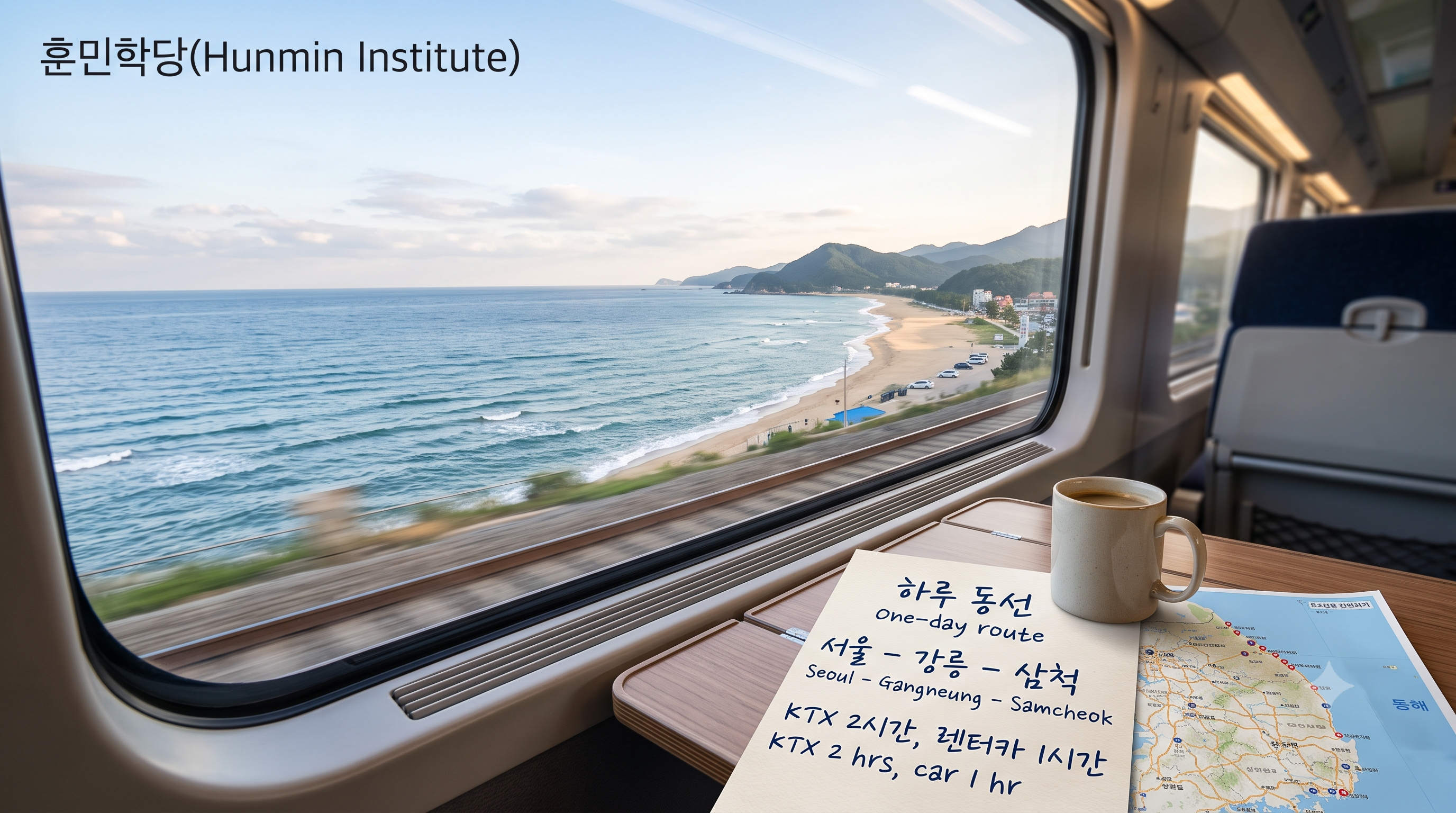
이번 코스는 기차와 버스로 이동합니다. 서울에서 강릉까지 KTX로 약 두 시간이고, 강릉역에서 해변까지는 택시나 시내버스를 탑니다. 표를 끊고 승강장을 찾는 자리에서 오가는 말은 몇 마디로 정해져 있습니다.
This route runs on trains and buses. The KTX takes about two hours from Seoul to Gangneung, and a taxi or city bus carries you from the station to the beach. Only a few lines pass at the ticket counter and on the platform.
여기서 쓰는 표현부터 배워봅시다. 역 창구와 승강장에서 오가는 말입니다.
Start with the expressions you will use here. These go back and forth at the ticket counter and on the platform.
| 듣는 말 Listening |
하는 말 Speaking |
|---|---|
| 어디까지 가세요? [eodikkaji gaseyo] Where are you headed? |
강릉 가는 표 한 장 주세요. [gangneung ganeun pyo han jang juseyo] One ticket to Gangneung, please. |
| 삼 번 승강장에서 타세요. [sam beon seunggangjangeseo taseyo] Board at platform three. |
몇 번 승강장이에요? [myeot beon seunggangjangieyo] Which platform is it? |
| 한 시간 뒤에 있어요. [han sigan dwie isseoyo] There is one an hour from now. |
다음 차 몇 시예요? [daeum cha myeot siyeyo] What time is the next train? |
| 동해에서 갈아타세요. [donghaeeseo garataseyo] Change at Donghae. |
삼척 가려면 어디서 갈아타요? [samcheok garyeomyeon eodiseo garataeyo] Where do I transfer for Samcheok? |
응용 Apply It
↳ [장소] 가는 표 한 장 주세요
[place] ganeun pyo han jang juseyo
One ticket to [place], please.
ex 강릉 가는 표 한 장 주세요./삼척 가는 표 한 장 주세요./서울 가는 표 한 장 주세요.
ROM gangneung ganeun pyo han jang juseyo/samcheok ganeun pyo han jang juseyo/seoul ganeun pyo han jang juseyo
EN One ticket to Gangneung, please./One ticket to Samcheok, please./One ticket to Seoul, please.
▶몇은 수를 묻는 말이고, 뒤에 붙는 단위만 바꾸면 어디서나 그대로 쓰입니다.
몇 asks a number, and you only swap the unit that follows it.
몇 시, 몇 번, 몇 명처럼 씁니다. 답에는 숫자가 오므로 삼 번, 두 시처럼 들으면 됩니다.
Use it as 몇 시, 몇 번, or 몇 명. The answer comes back as a number, such as 삼 번 or 두 시.
장은 표처럼 얇고 납작한 것을 세는 말입니다. 한 장, 두 장, 세 장으로 앞의 숫자만 바꾸면 됩니다. 사람을 셀 때는 명이나 분을 쓰므로 두 명, 두 분이 됩니다.
장 counts flat things like tickets: 한 장, 두 장, 세 장. People are counted with 명 or the polite 분, as in 두 명 or 두 분.
2. 주문진 향호해변, 바다를 향한 버스정류장
Hyangho Beach, a Bus Stop Facing the Sea
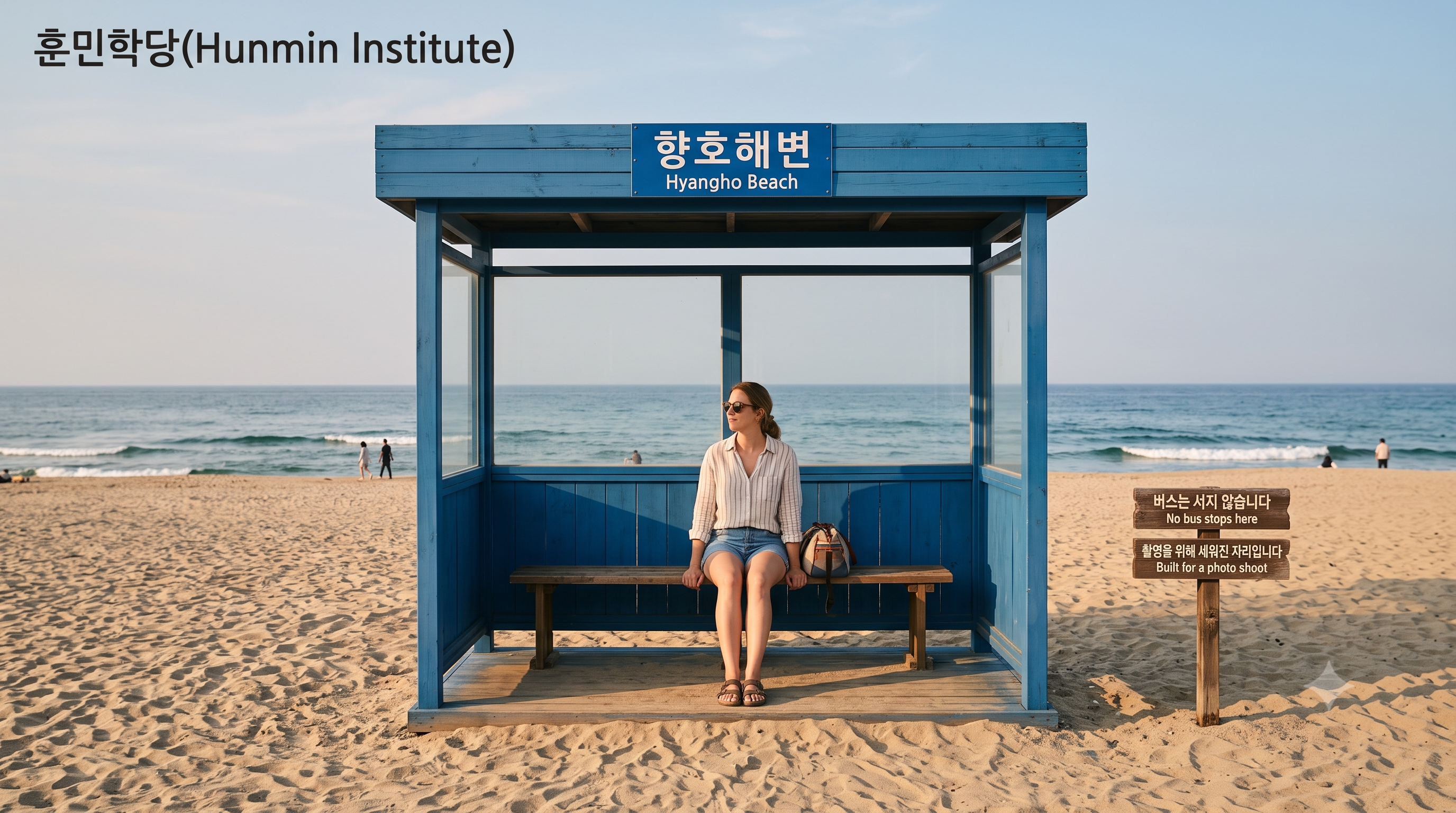
강릉시 주문진읍 향호리의 향호해변은 원래 조용한 해수욕장이었습니다. 지금은 백사장 한쪽의 파란 버스정류장으로 사람들이 모입니다. 촬영 당시 임시로 세웠다가 철거한 정류장을 강릉시가 방문객을 위해 다시 만들어 상시 개방했으며, 실제로 버스가 서지는 않습니다.
Hyangho Beach in Jumunjin was once a quiet swimming beach. Now people come for the blue bus stop at one end of the sand. Put up temporarily for a shoot and then taken down, it was rebuilt by the city for visitors and left open year-round, and no bus actually stops there.
여기서 쓰는 표현부터 배워봅시다. 사진을 부탁하고 자리를 묻는 말입니다.
Start with the expressions you will use here. These are for asking someone to take a photo and for finding your way around.
| 듣는 말 Listening |
하는 말 Speaking |
|---|---|
| 여기 앉으셔도 됩니다. [yeogi anjeusyeodo doemnida] You may sit here. |
여기서 사진 찍어도 돼요? [yeogiseo sajin jjigeodo dwaeyo] May I take a photo here? |
| 네, 찍어 드릴게요. [ne jjigeo deurilgeyo] Sure, I will take it. |
사진 좀 찍어 주시겠어요? [sajin jom jjigeo jusigesseoyo] Could you take a photo for me? |
| 지금은 줄이 길어요. [jigeumeun juri gireoyo] The line is long right now. |
한 장만 더요. [han jangman deoyo] One more, please. |
| 저쪽이 화장실이에요. [jeojjogi hwajangsirieyo] The restroom is over there. |
여기 화장실 어디예요? [yeogi hwajangsil eodiyeyo] Where is the restroom here? |
▶좀은 부탁을 부드럽게 만드는 말이라 조금이라고 옮기면 어긋납니다.
좀 softens a request, so translating it as a little misses the point.
양을 줄이는 말이 아니라 말투를 낮추는 말입니다. 빼고 말해도 뜻은 통하지만 딱딱하게 들리므로 부탁하는 자리에서는 넣는 편이 낫습니다.
It lowers the tone rather than the amount. Dropping it still gets the meaning across but sounds blunt, so keep it when you are asking a favor.
정류장은 바다를 등지고 앉는 구조라 인물과 수평선이 한 화면에 들어옵니다. 오전에는 해를 마주 보게 되어 얼굴이 어두워지므로 늦은 오후가 낫습니다. 입장료와 개방 시간은 따로 없으나 성수기 주말에는 줄이 길어 평일 방문을 권합니다.
You sit with your back to the sea, so you and the horizon land in one frame. Mornings put the sun in your face and darken it, so late afternoon is better. There is no fee and no set hours, but peak-season weekends bring long lines, so a weekday is easier.
3. 삼척 맹방해변, 긴 백사장과 봄의 유채꽃
Maengbang Beach, Long Sands and Spring Canola
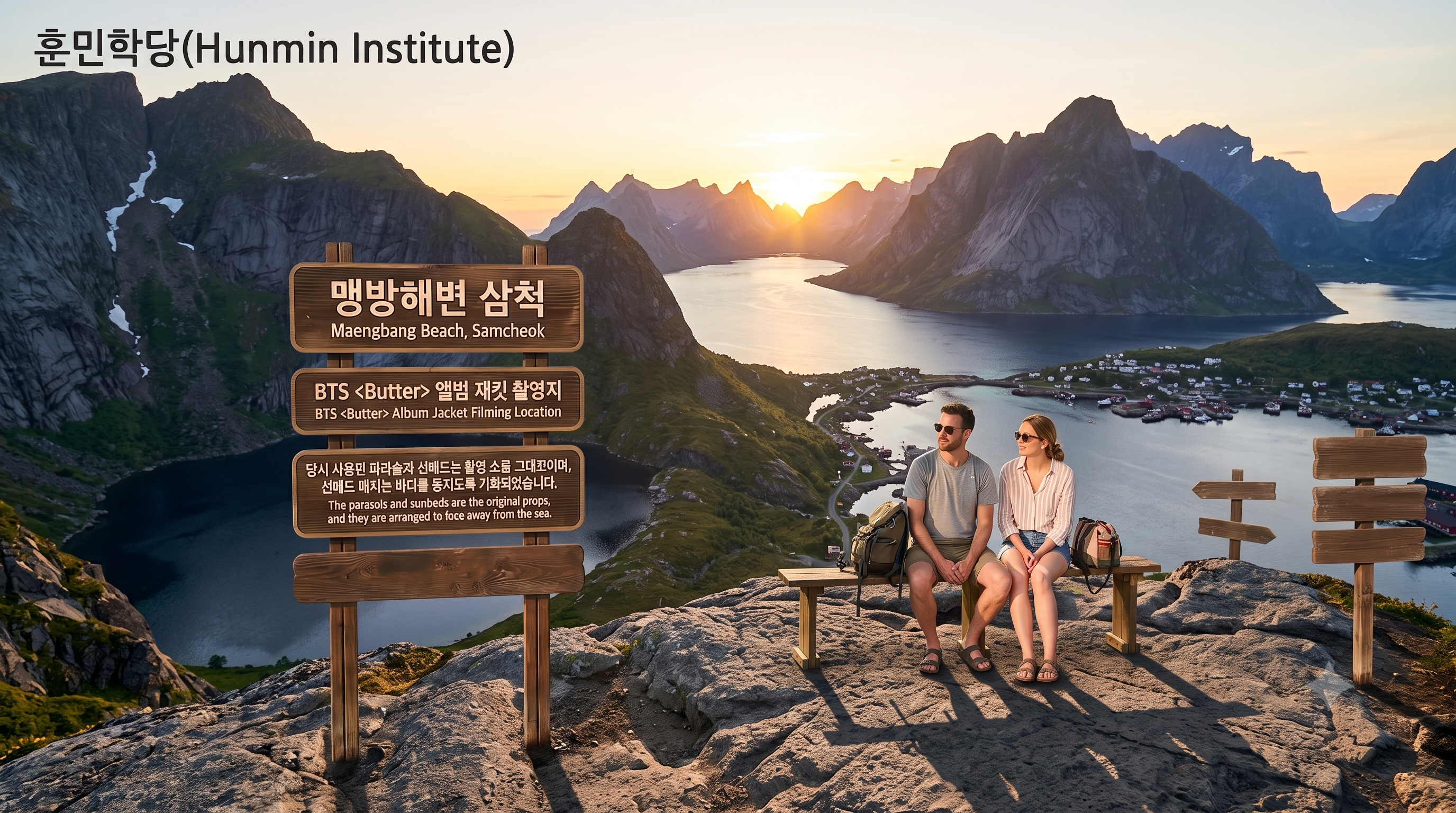
강릉에서 남쪽으로 한 시간이면 삼척시 근덕면 맹방해변에 닿습니다. 삼척시가 촬영 소품을 재현해 세웠던 포토존 조형물과 안내 표지판은 지식재산권 사용 중지 요청에 따라 2024년 1월 철거되었습니다. 지금 남아 있는 것은 해변 시설로 정비된 파라솔과 선베드이므로, 방문 전에 삼척시 공식 관광 안내로 현재 시설 상태를 확인하시기 바랍니다.
An hour south of Gangneung lies Maengbang Beach in Samcheok. The photo-zone structures and signboards the city had recreated from the shoot were removed in January 2024 following a request to stop the use of intellectual property. What remains are parasols and sun beds maintained as beach facilities, so check the city’s official tourism information for their current state before you go.
여기서 쓰는 표현부터 배워봅시다. 해변에서 빌리고 시킬 때 오가는 말입니다.
Start with the expressions you will use here. These come up as you rent and order at the beach.
| 듣는 말 Listening |
하는 말 Speaking |
|---|---|
| 오늘은 바람이 좀 셉니다. [oneureun barami jom semnida] The wind is a bit strong today. |
파라솔 빌릴 수 있어요? [parasol billil su isseoyo] Can I rent a parasol? |
| 저기서 빌리시면 돼요. [jeogiseo billisimyeon dwaeyo] You can rent one over there. |
유채꽃 어디에 있어요? [yuchaekkot eodie isseoyo] Where are the canola fields? |
| 곰치국 하나요? [gomchiguk hanayo] One gomchiguk? |
곰치국 하나 주세요. [gomchiguk hana juseyo] One gomchiguk, please. |
| 일곱 시쯤 해가 집니다. [ilgop sijjeum haega jimnida] The sun sets around seven. |
해 언제 져요? [hae eonje jyeoyo] When does the sun set? |
▶대게는 큰 게라는 뜻이 아니라 다리가 대나무처럼 곧다는 뜻입니다.
대게 does not mean big crab; the 대 refers to bamboo-straight legs.
크기로 짐작하면 어긋나는 이름입니다. 곰치국도 이름과 달리 맵지 않고 맑게 끓인 해장국이므로 매운 것을 못 드셔도 시켜 볼 만합니다.
Guessing from size gets the name wrong. 곰치국 is likewise a clear, mild hangover soup rather than a spicy one, so it is worth ordering even if you avoid heat.
백사장이 길고 완만해 걷기 좋고, 봄에는 근처에 유채꽃밭이 열립니다. 바람이 강한 날에는 파라솔을 접어 두므로 잔잔한 날을 고르시는 편이 낫습니다.
The sand is long and gentle for walking, and canola fields open nearby in spring. On windy days the parasols are folded down, so a calm day is the better pick.
4. 하루 동선으로 묶는 방법
Combining Them into One Day
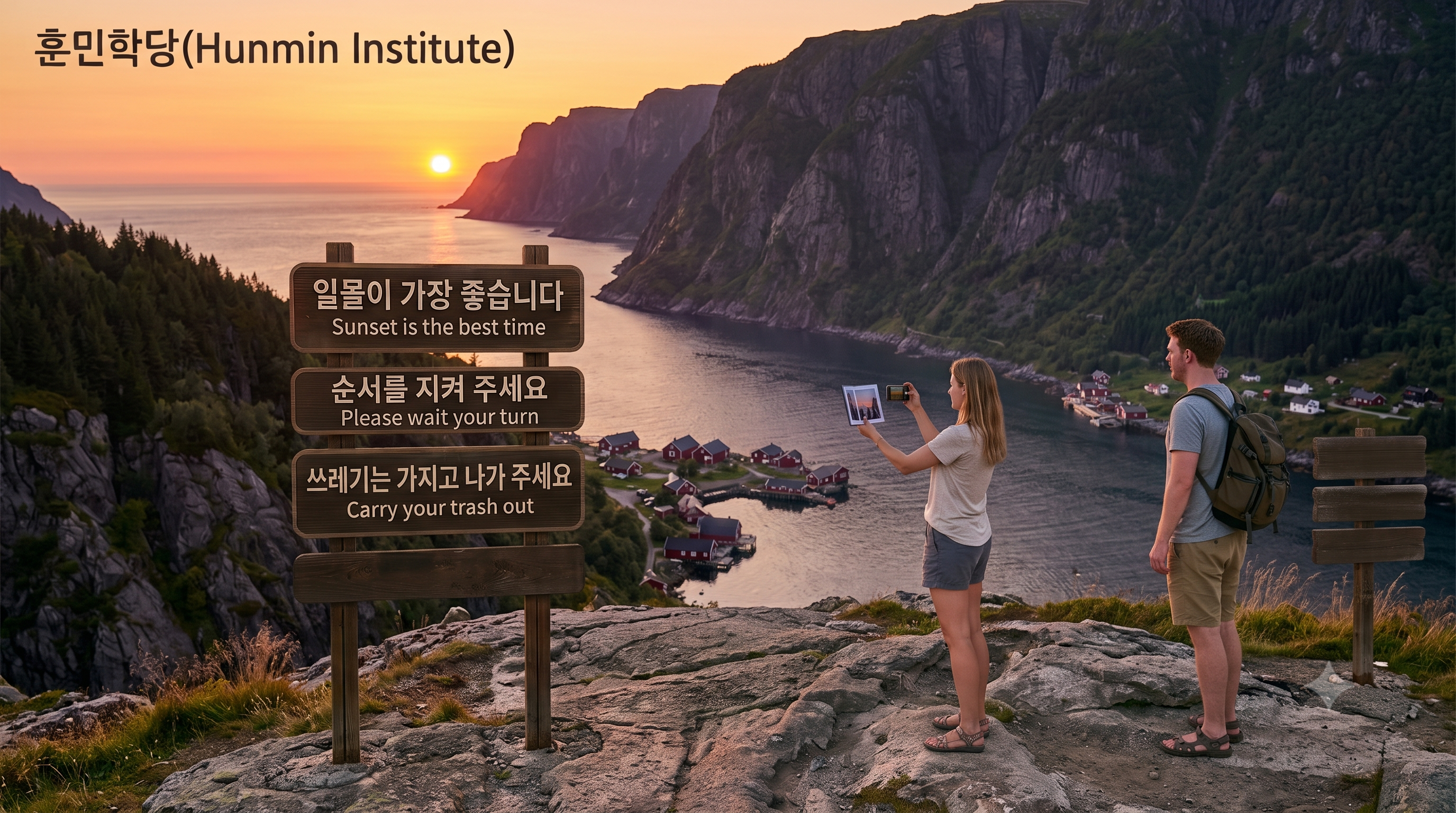
두 곳을 하루에 도는 것이 이번 편의 핵심입니다. 오전에 서울을 떠나 향호에서 오후를 보내고 맹방에서 일몰을 보는 순서가 가장 무리가 없습니다. 두 해변을 표로 먼저 견주어 보십시오.
Covering both in one day is the point of this part. Leaving Seoul in the morning, spending the afternoon at Hyangho, and catching the sunset at Maengbang is the easiest order. Compare the two beaches in the table first.
| 구분 Category |
향호해변 Hyangho Beach |
맹방해변 Maengbang Beach |
|---|---|---|
| 위치 Location |
강릉시 주문진읍 향호리 Hyangho-ri, Jumunjin-eup, Gangneung |
삼척시 근덕면 Geundeok-myeon, Samcheok |
| 보는 것 What you see |
파란 버스정류장 조형물 The blue bus stop structure |
긴 백사장과 파라솔, 선베드 Long sands, parasols and sun beds |
| 추천 시간대 Best time |
늦은 오후 Late afternoon |
일몰 무렵 Around sunset |
| 서울에서 From Seoul |
KTX 두 시간과 택시 20분 KTX two hours plus a 20-minute taxi |
강릉 경유 약 세 시간 About three hours via Gangneung |
| 두 곳 사이 Between the two |
렌터카 한 시간 One hour by rental car |
대중교통 한 시간 반에서 두 시간 One and a half to two hours by public transport |
| 입장료 Admission |
무료, 상시 개방 Free, always open |
무료, 상시 개방 Free, always open |
| 주변 먹거리 Nearby food |
주문진항의 회와 물회 Raw fish and mulhoe at Jumunjin Port |
삼척의 곰치국과 대게 Gomchiguk and snow crab in Samcheok |
여기서 쓰는 표현부터 배워봅시다. 옮겨 다니고 짐을 맡길 때 오가는 말입니다.
Start with the expressions you will use here. These come up as you move between the two and store your bags.
| 듣는 말 Listening |
하는 말 Speaking |
|---|---|
| 한 시간쯤 걸려요. [han siganjjeum geollyeoyo] It takes about an hour. |
맹방해변까지 얼마나 걸려요? [maengbanghaebyeonkkaji eolmana geollyeoyo] How long does it take to Maengbang Beach? |
| 막차는 끊겼어요. [makchaneun kkeunkyeosseoyo] The last bus has gone. |
택시 좀 불러 주세요. [taeksi jom bulleo juseyo] Could you call a taxi? |
| 물품보관함은 이쪽입니다. [mulpumbogwanhameun ijjogimnida] The lockers are this way. |
물품보관함 어디예요? [mulpumbogwanham eodiyeyo] Where are the lockers? |
| 네, 여기 세워 드릴게요. [ne yeogi sewo deurilgeyo] Sure, I will stop here. |
여기서 세워 주세요. [yeogiseo sewo juseyo] Please stop here. |
▶오늘 문장 가운데 셋만 고르면 표 한 장 주세요, 몇 번 승강장이에요, 사진 좀 찍어 주시겠어요입니다.
If you keep only three of today’s lines, make them 표 한 장 주세요, 몇 번 승강장이에요, and 사진 좀 찍어 주시겠어요.
서울에서는 청량리역이나 서울역에서 KTX로 강릉역까지 약 두 시간입니다. 강릉역에서 향호해변까지는 택시로 20분, 시내버스로는 40분에서 한 시간을 잡으십시오.
The KTX from Cheongnyangni or Seoul Station reaches Gangneung in about two hours. From there, allow twenty minutes to Hyangho by taxi, or forty minutes to an hour by city bus.
현장에서는 순서를 지키고 쓰레기를 가지고 나오십시오. 두 곳 모두 지역 주민이 매일 쓰는 해변입니다.
On site, wait your turn and carry your trash out. Both are beaches local residents use every day.
이번 편의 두 해변은 촬영지로 알려지기 전부터 강원도를 대표하던 해수욕장입니다. 기차와 해변에서 익힌 문장은 동해안 어느 역, 어느 바다에서도 그대로 쓰입니다.
Both beaches in this part were among Gangwon’s best known long before any filming. The lines you picked up on the train and at the shore work the same at any station and any sea on the east coast.
Next: BTS Trail Part 3: Gyeongbokgung and Korean Traditional Art ↗
토픽 맛보기
TOPIK Preview
유형: TOPIK Ⅰ 읽기 [34~39], 대화, 빈칸에 알맞은 것 고르기
Type: TOPIK I Reading [34–39], dialogue, choose the correct word for the blank
( )에 들어갈 말로 가장 알맞은 것을 고르십시오.
Choose the most appropriate word for the blank.
가: 강릉 가는 표 한 장 주세요. 나: 네, ( ) 승강장에서 타세요.
A: One ticket to Gangneung, please. B: Sure, board at platform ( ).
① 몇
② 어디
③ 삼 번
④ 언제
Answer ▾
정답 ③ 삼 번
Answer: ③ 삼 번
승강장 앞자리에는 몇 번에 대한 답인 숫자가 옵니다. ①은 수를 묻는 말이라 답하는 자리에 올 수 없고, ②는 장소를, ④는 때를 묻는 말이라 번호 자리에 맞지 않습니다. 흉내 낸 대문항은 TOPIK Ⅰ 읽기 [34~39]입니다.
The slot before 승강장 takes a number, the answer to 몇 번. ① asks for a number rather than giving one, ② asks a place, and ④ asks a time, so none of them fits the platform slot. The item type modeled here is TOPIK I Reading [34–39].
FAQ
Q1. 강릉과 삼척을 하루에 다 볼 수 있나요?Answer ▾
Q1. Can I see both Gangneung and Samcheok in one day?
A1. 가능합니다. 다만 렌터카를 권합니다. 대중교통만으로는 이동에만 세 시간 넘게 들어 일정이 빠듯해집니다.
A1. Yes, but a rental car is advisable. Public transport alone means over three hours of travel and a tight schedule.
Q2. 겨울에 가도 볼 것이 있나요?Answer ▾
Q2. Is there anything to see in winter?
A2. 있습니다. 겨울 동해는 하늘이 맑아 사진이 선명하고 곰치국과 대게가 제철입니다. 다만 바람이 매우 차므로 방한 준비를 하십시오.
A2. Yes. Winter skies on the east coast are clear for photos, and gomchiguk and snow crab are in season. The wind is bitter, so dress for it.
Q3. 표는 어떻게 사나요?Answer ▾
Q3. How do I buy a ticket?
A3. 역 창구에서 강릉 가는 표 한 장 주세요라고 하시면 됩니다. 앱으로 미리 예매하셔도 되며, 성수기 주말에는 자리가 빨리 차므로 예매를 권합니다.
A3. At the counter, say 강릉 가는 표 한 장 주세요, or book in advance on an app. Seats fill fast on peak-season weekends, so booking ahead is safer.
Q4. 짐이 많은데 해변까지 들고 가야 하나요?Answer ▾
Q4. Do I have to carry my luggage to the beach?
A4. 강릉역에 물품보관함이 있습니다. 자리를 찾으려면 물품보관함 어디예요라고 물으시면 됩니다. 큰 짐은 역에 맡기고 움직이는 편이 편합니다.
A4. Gangneung Station has lockers. To find them, ask 물품보관함 어디예요. Leaving big bags at the station makes the day easier.
Q5. 팬이 아닌 사람과 가도 괜찮을까요?Answer ▾
Q5. Is it fine to go with someone who is not a fan?
A5. 괜찮습니다. 두 해변 모두 촬영지로 알려지기 전부터 강원도를 대표하는 해수욕장이었습니다.
A5. Perfectly fine. Both were among Gangwon’s best known beaches long before any filming.
Vocabulary and Pronunciation for Foreigners
| No | Korean | Romanisation | Meaning |
|---|---|---|---|
| 1 | 표 | pyo | (n) ticket [ˈtɪkɪt] |
| 2 | 승강장 | seunggangjang | (n) platform [ˈplætfɔːrm] |
| 3 | 사진 | sajin | (n) photo [ˈfoʊtoʊ] |
| 4 | 해변 | haebyeon | (n) beach [biːtʃ] |
| 5 | 백사장 | baeksajang | (n) sandy shore [ˈsændi] |
| ▾ 단어 45개 더 보기 Show 45 more ↗ | |||
The blog page has limits of space and function, so only five words are shown here. The rest of the word list, the audio, the sentences and tables, the FAQ, the worksheet, the TOPIK questions and the lesson video are on the Hunmin Institute website ↗, free for blog subscribers.
참고 기관
Official Sources
한국관광공사 ↗
Korea Tourism Organization
https://english.visitkorea.or.kr
기관 설명 보기 About this institute ▾
This is the public agency that provides travel information for Korea. Its English site lets you search attractions, transport, and operating hours by region. For the current state of a specific facility the local city’s tourism page is faster, so check that too just before you go.
한국철도공사 ↗
Korea Railroad Corporation
https://www.letskorail.com
기관 설명 보기 About this institute ▾
This is the agency that runs train timetables and seat reservations. Its English site lets you check KTX times and remaining seats between Seoul and Gangneung and book them. Fares and running times change with revisions, so check before you travel.
※ 본 콘텐츠(원고, 이미지, 예문 포함)는 저작권법에 의해 보호받는 훈민학당의 저작물입니다. 무단 복제, 전재, 재배포 및 AI 학습 데이터로의 이용을 금합니다.
This content (manuscript, images, and example sentences) is the copyrighted property of Hunmin Institute, protected under copyright law. Unauthorized copying, reproduction, redistribution, and use as AI training data are prohibited.
'K-Travel' 카테고리의 다른 글
| Garden of Morning Calm: Four Seasons, One Day Trip (0) | 2026.07.30 |
|---|---|
| Nami Island by Train: A Car-Free Day Trip from Seoul (0) | 2026.07.30 |
| BTS Trail Part 4: Yongsan and Hongdae (0) | 2026.07.25 |
| BTS Trail Part 3: Gyeongbokgung and Korean Traditional Art (0) | 2026.07.25 |
| BTS Trail Part 1: Nonhyeon-dong to Garosugil (0) | 2026.07.23 |


